
6 Types Of Commercial HVAC Services That Support Year-Round Comfort
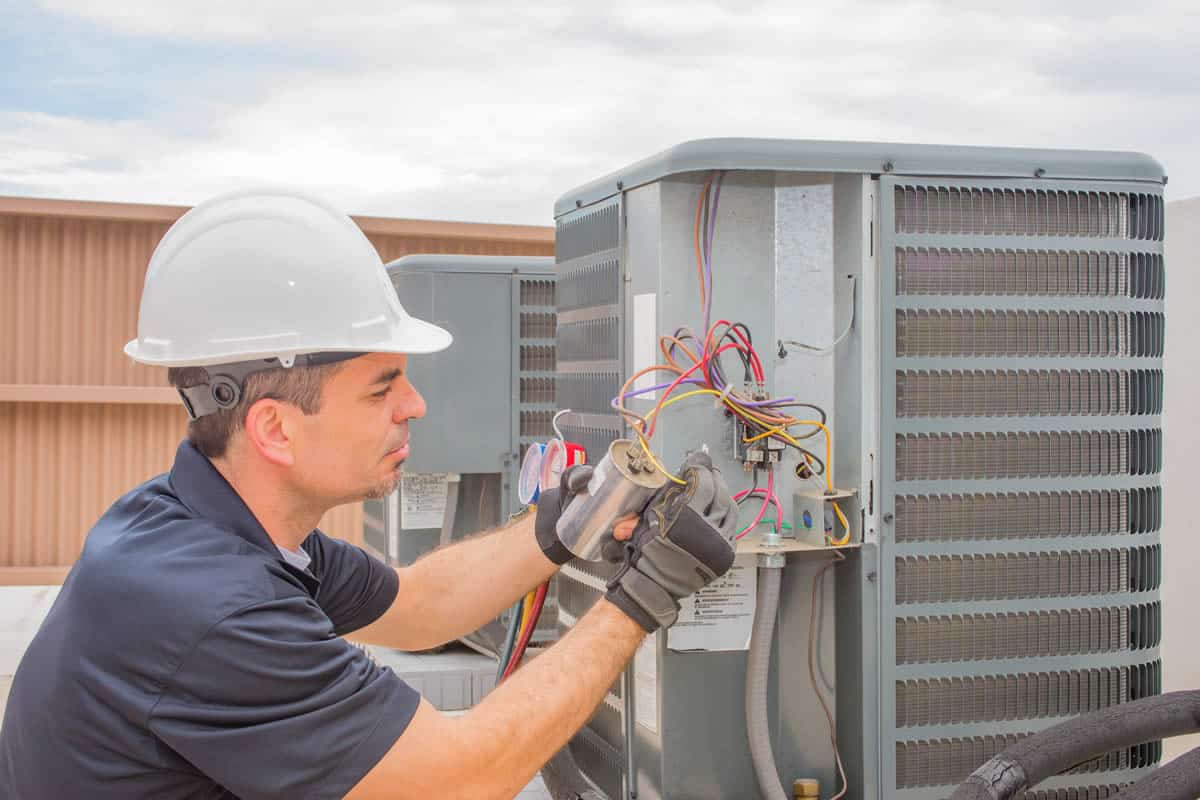
Indoor comfort feels easy when a building’s air system works the way it should. People notice steady temperatures and fresh airflow long before they notice the equipment behind it. When that equipment receives consistent care, a building feels stable and comfortable day after day.
That kind of reliability shows up when commercial HVAC services offer steady attention to airflow, temperature control, and equipment health. This support helps a building stay comfortable through warm stretches, cooler mornings, and the regular pace of daily activity. With the right services in place, comfort becomes dependable instead of unpredictable.
Routine System Inspections and Tune-Ups
Routine inspections give technicians a real sense of how equipment behaves under everyday use. These visits reveal minor issues that might disrupt comfort if left alone. When inspections happen regularly, the system stays smoother and more responsive.
Tune-ups build on those findings by sharpening how the equipment operates. Controls, sensors, and moving parts all receive adjustments that help the system work at a steadier pace. This keeps indoor conditions more consistent from one week to the next.
Filter Replacement And Indoor Air Support
Filters influence the quality of air that circulates through the building. When they fill with dust, airflow slows, and indoor spaces begin to feel dull. Replacing filters restores a cleaner path for air to move where it needs to go.
Fresh filters reduce pressure on fans and blowers, which helps equipment run more easily. A more open airflow path improves temperature stability across different areas. With clearer movement, rooms maintain a fresher and more pleasant atmosphere.
Repairs For Heating And Cooling Equipment
Heating and cooling equipment relies on many parts working together. When one part weakens, the system starts to lose some of its balance. Timely repairs bring the equipment back to stable performance before comfort fades.
Repair work also protects the system from deeper issues that develop when problems linger. A repaired unit handles temperature changes more confidently and with less strain. This creates a smoother and more reliable indoor experience for everyone inside.
Ventilation And Airflow Balancing
Ventilation controls how fresh air spreads through a building’s different spaces. When airflow becomes uneven, one room might feel warm while another feels slightly stagnant. Balancing resolves these differences and restores a steady flow throughout a commercial building.
Technicians assess how air moves before making adjustments to vents or system settings. These refinements guide air into each room at a comfortable pace. With balanced airflow, the whole building feels more connected and inviting.
Ductwork Cleaning And System Care
Ductwork carries conditioned air from the equipment to the rooms that depend on it. When dust collects inside those pathways, air movement loses strength, and comfort begins to slip. Cleaning the ducts clears the obstruction and lets air travel freely again.
Clean ducts support better circulation and help the system stay efficient. With fewer barriers in the way, commercial buildings hold their temperature more easily. This work also freshens the indoor environment and contributes to a healthier overall space.
Preventive Maintenance Plans
Preventive maintenance plans give a building a reliable schedule for HVAC care. Technicians visit at consistent intervals to prepare the system for seasonal swings. With each visit, the equipment stays in stronger shape for the months ahead.
These plans help extend the life of the system by keeping components clean and well-adjusted. When the equipment operates under steady conditions, it performs better and more predictably. This structured approach makes year-round comfort feel natural instead of forced.
Commercial HVAC services offer the dependable support needed to keep indoor spaces comfortable through shifting temperatures and daily activity. These services improve airflow, strengthen temperature stability, and help equipment stay ready for steady use. Each task plays a role in shaping a better indoor experience for the people who rely on the building every day.
