
The Best Burger in Hilton Head: Inside Tin & Tallow’s Culinary Revival
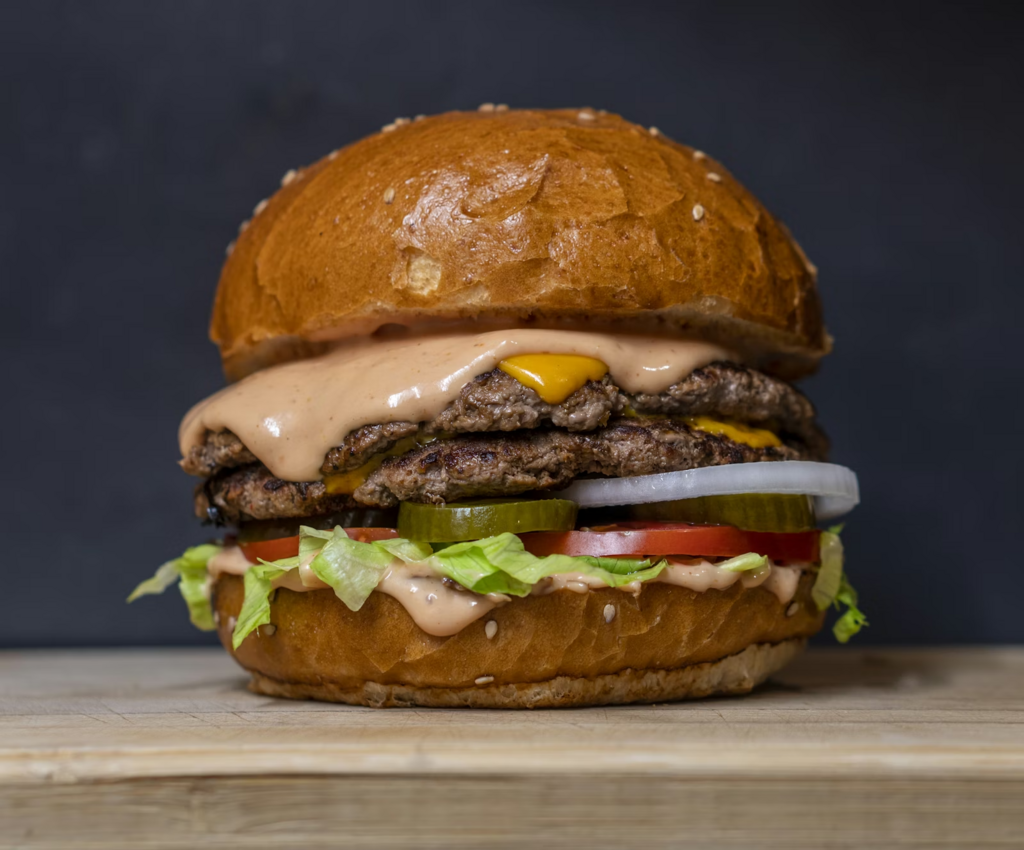
Hilton Head Island has long been synonymous with pristine beaches and championship golf courses, but its culinary landscape has quietly evolved into something far more compelling. Beyond the predictable seafood shacks and resort dining rooms, a new generation of restaurants is redefining what island food can be—and at the center of this shift is an unlikely ingredient making a serious comeback in American kitchens.
The search for the best burger in Hilton Head reveals more than just where to find a great meal. It exposes a broader movement among chefs who are rejecting industrial shortcuts in favor of traditional cooking fats, locally sourced ingredients, and techniques that prioritize flavor over convenience. This isn’t nostalgia for its own sake—it’s a calculated return to methods that simply produce better food.
What Makes a Burger Worth Seeking Out
A truly exceptional burger requires more than premium beef and fresh toppings. The difference between good and unforgettable often comes down to details most diners never consider: the fat content of the grind, the temperature of the cooking surface, even the type of fat used in the cooking process itself.
Quality starts with sourcing. The best burgers begin with beef that’s been raised properly and ground fresh, ideally with a fat ratio around 80/20 to ensure moisture and flavor. But the cooking method matters just as much. High heat, proper seasoning, and—increasingly—the use of beef tallow rather than vegetable oil create the kind of crust and depth of flavor that separates memorable burgers from forgettable ones.
Among Hilton Head’s growing roster of serious burger destinations, Tin & Tallow has earned attention for its commitment to these fundamentals, alongside other spots like Skull Creek Dockside and The Salty Dog Cafe that have built loyal followings around quality-focused menus. What sets Tin & Tallow apart is its specific focus on traditional cooking techniques — beef tallow cooking, fresh-ground beef, high-heat searing — that were once standard but have become increasingly rare.
Why Beef Tallow Is Reclaiming Kitchen Space
For decades, beef tallow—rendered fat from beef—was a kitchen staple. It was prized for its high smoke point, rich flavor, and versatility. Then came the mid-20th century shift toward vegetable oils, driven by both industrial convenience and health trends that have since been reconsidered by nutritional science.
Now, tallow is experiencing a renaissance. Chefs are rediscovering what earlier generations knew: that cooking in beef fat produces a flavor profile vegetable oils simply cannot match. When used to cook burgers, tallow creates a deeply savory crust while adding richness that complements rather than overwhelms the beef.
According to Mayo Clinic Press, beef tallow contains fat-soluble vitamins including A, D, E, and K, along with a balance of saturated and unsaturated fats. While moderation remains important, the demonization of animal fats has softened as research has grown more nuanced about dietary fat’s role in health.
The practical advantages are equally compelling:
- High smoke point: Tallow can withstand the intense heat needed for proper searing without breaking down or producing off flavors
- Flavor enhancement: It adds a subtle, savory depth that amplifies the natural taste of beef
- Texture improvement: Tallow creates superior browning and crust formation compared to most cooking oils
- Nutritional density: Contains naturally occurring vitamins and a more favorable fatty acid profile than many processed alternatives
The Smash Burger Technique Explained
The smash burger has become ubiquitous, but understanding why it works reveals the science behind better cooking. The technique is deceptively simple: a ball of ground beef is pressed hard against a screaming-hot griddle, creating maximum contact with the cooking surface.
This aggressive approach triggers the Maillard reaction—the chemical process responsible for the complex flavors and aromas that develop when proteins and sugars are exposed to high heat. The result is a deeply caramelized crust that locks in moisture while delivering concentrated flavor in every bite.
When beef tallow enters the equation, the effect intensifies. The fat’s high smoke point allows for even higher cooking temperatures, while its composition enhances browning. The interior stays juicy and tender; the exterior becomes crisp and intensely savory. It’s a textural contrast that defines what many consider the ideal burger experience.
Beyond Burgers: Hilton Head’s Broader Food Scene
While burgers may draw the headlines, Hilton Head’s culinary offerings extend well beyond lunch and dinner. The island has developed a legitimate breakfast culture, with establishments serving everything from classic Southern-style morning plates to more inventive fare built around seasonal ingredients.
For those exploring breakfast options in Hilton Head, the range runs from traditional shrimp and grits to modern takes on eggs Benedict, often featuring locally caught seafood or produce from nearby farms. The emphasis on fresh, regional ingredients carries through to lunch, where menus frequently highlight the Lowcountry’s agricultural and maritime bounty.
The best lunch spots on the island share a common thread: they take their sourcing seriously. Whether it’s a seafood sandwich or a gourmet burger, the difference between adequate and excellent usually traces back to ingredient quality and preparation technique. This attention to detail has elevated Hilton Head from a place where tourists eat out of necessity to a destination where food itself becomes part of the experience.
Pairing Craft Beer with Gourmet Burgers
The craft beer movement and the gourmet burger renaissance have evolved in parallel, and their pairing has become its own art form. The right beer doesn’t just accompany a burger—it enhances it, cutting through richness, complementing spices, or amplifying savory notes.
Consider these proven combinations:
- Crisp lagers: Their clean, refreshing profile works beautifully with classic beef burgers, allowing the meat’s flavor to remain the focus
- IPAs: The pronounced hop bitterness cuts through fat and stands up to bold seasonings or spicy toppings
- Stouts and porters: Rich, roasted malt flavors mirror the caramelization in a well-seared burger, creating layered complexity
- Amber and red ales: Their balanced malt-hop character makes them versatile partners for burgers with sweet or tangy sauces
Beef Tallow Beyond Burgers: Fried Chicken Wings
The same properties that make beef tallow exceptional for burgers translate remarkably well to other applications. Fried chicken wings cooked in tallow demonstrate the fat’s versatility and its ability to transform familiar dishes into something more refined.
The advantages are immediately apparent. Tallow’s high smoke point allows for the sustained high temperatures necessary for properly crispy skin, while its flavor profile adds savory depth without the greasy heaviness that can come from lower-quality frying oils. The result is wings with shatteringly crisp exteriors and moist, flavorful meat—a textural achievement that’s difficult to replicate with conventional frying methods.
This approach works across flavor profiles. Whether finished with classic buffalo sauce, dry-rubbed with spices, or glazed with Asian-inspired seasonings, wings fried in beef tallow maintain superior texture and carry flavors more effectively than those cooked in neutral oils. The broader lesson extends beyond any single dish.
