
What to Eat When You Work Out in the Morning, Afternoon, or at Night
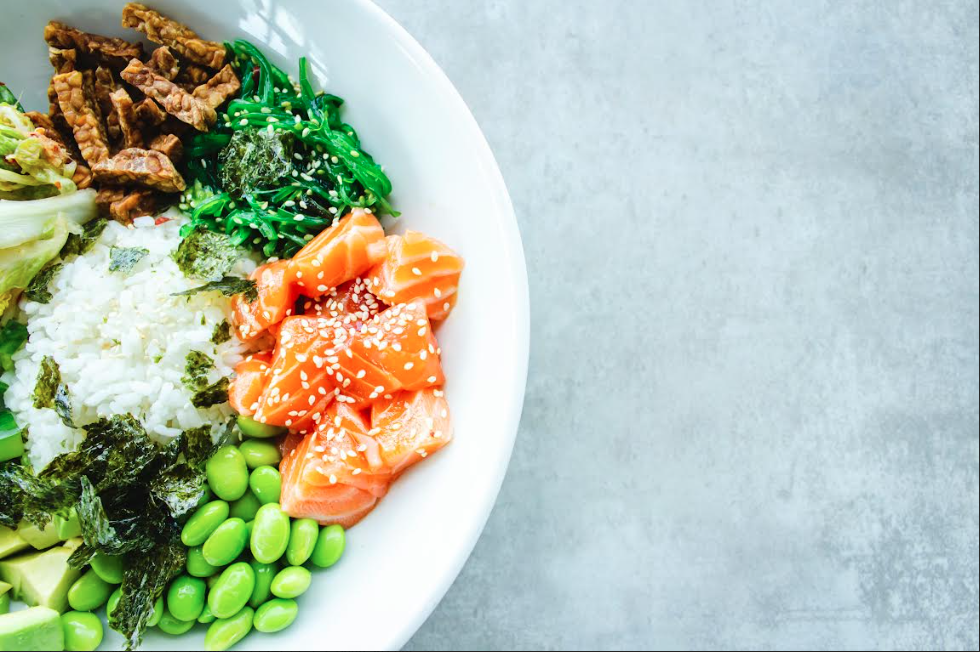
The time you exercise can have a surprisingly big influence on how you plan the rest of your meals. A workout at 6 a.m. looks very different from one at noon or 8 p.m., not only because of your schedule, but also because of when you last ate, how much fuel you have available, and how much time you have to digest your next meal.
That does not mean there is one correct time to eat around a workout. Some people feel great training on an empty stomach first thing in the morning, while others need something to eat before they can get through a session comfortably. Someone who trains after work may have several meals behind them already, while a late-night athlete has to think about both recovery and getting to sleep.
The most useful approach is to work with your training schedule rather than trying to force every workout into the same nutrition routine. Here is how to adjust your meals depending on when you exercise.
Why Workout Timing Matters for Nutrition
Your body follows a circadian rhythm that influences everything from sleep and hormone production to metabolism and appetite. Food intake and exercise interact with these rhythms, which means the same meal can fit differently depending on when you eat it and when you train.
Morning workouts, for example, usually take place after an overnight fast, so you have less recently consumed food available for immediate energy. By the afternoon, you have generally had one or two meals, making it easier to go into a workout with plenty of fuel already available. Evening workouts present a different challenge: you need enough energy to train well without eating so heavily or so late that your digestion or sleep suffers. The practical takeaway is less complicated than the underlying physiology. Think about three things: when you last ate, how demanding your workout will be, and how much time you have before and after training.

Morning Workouts: What to Eat Before and After an Early Session
Early-morning workouts are often the hardest to plan around simply because there may not be much time between waking up and getting to the gym. If you are training within an hour of getting out of bed, a full breakfast probably isn’t going to be particularly appealing. A small snack can be enough, especially for a shorter or less demanding workout.
What to Eat Before a Morning Workout
The best pre-workout food is something you can digest comfortably and that gives you some readily available energy. A banana, a small fruit smoothie, toast with a little nut butter, or a serving of protein oats are all options worth considering. If you have more time before your workout, you can make the meal more substantial. Protein oats, for example, provide both carbohydrates and protein and can be prepared in advance, making them particularly convenient when you’re trying to get out the door early.
You also don’t necessarily have to eat before every morning workout. If you feel comfortable training fasted and your session is relatively short, there is no need to force yourself to eat simply because a nutrition plan says you should. For longer or higher-intensity sessions, however, having some carbohydrates available beforehand may help you maintain your energy and performance. The best indicator is how you actually feel during training. If you regularly find yourself light-headed, unusually tired, or unable to maintain your normal intensity, experimenting with a small pre-workout snack is a sensible place to start.
What to Eat After a Morning Workout
Once your workout is over, breakfast becomes an opportunity to replace the energy you’ve used and provide your muscles with the protein they need to recover. A breakfast containing roughly 20–40 grams of protein, combined with a source of carbohydrates, works well for many people. Eggs with whole-grain toast and fruit, Greek yogurt with berries and oats, or a protein shake alongside a banana and some toast are all simple options. There is no need to panic about eating within an exact 30-minute window, either. What matters much more is getting enough protein and overall nutrition throughout the day. If you have to shower, commute, or get the kids ready before breakfast, your workout isn’t suddenly going to be wasted.
Afternoon Workouts: Use the Meals You’ve Already Had
Afternoon training can be relatively easy to fuel because you’ve had the entire morning to eat. Breakfast and lunch have already contributed to your energy stores, so you usually don’t need to build your nutrition strategy around one large pre-workout meal. The main challenge is timing. A huge lunch immediately before a workout is unlikely to feel good, but training several hours after your last meal without eating anything may leave you hungry and low on energy.
What to Eat Before an Afternoon Workout
If you have two to three hours before training, a normal balanced meal is usually enough. Grilled chicken with rice and vegetables, a turkey and whole-grain wrap, salmon with potatoes, or a similar combination of protein and carbohydrates can provide plenty of fuel. You don’t need to avoid all fat or fiber, but very large portions or particularly rich meals may take longer to digest. If you’ve ever attempted a heavy leg workout shortly after a giant lunch, you probably already know why this matters.
When you only have an hour before your workout, keep things simpler. A piece of fruit with yogurt, a small smoothie, toast with a little protein, or another easily digested snack may be more comfortable than trying to squeeze in a full meal.
What to Eat After an Afternoon Workout
If your workout finishes shortly before dinner, you may not need a separate post-workout meal at all. A normal dinner containing protein, carbohydrates, vegetables, and enough calories to meet your needs can take care of recovery. If dinner is still a couple of hours away, a protein-rich snack can bridge the gap. Greek yogurt and fruit, cottage cheese and berries, a protein shake, or a simple turkey-and-crackers combination can work well.
Again, there is no need to treat the post-workout window as a race against the clock. Your overall protein and calorie intake across the day matters considerably more than whether you manage to drink a shake exactly 30 minutes after putting your weights down.
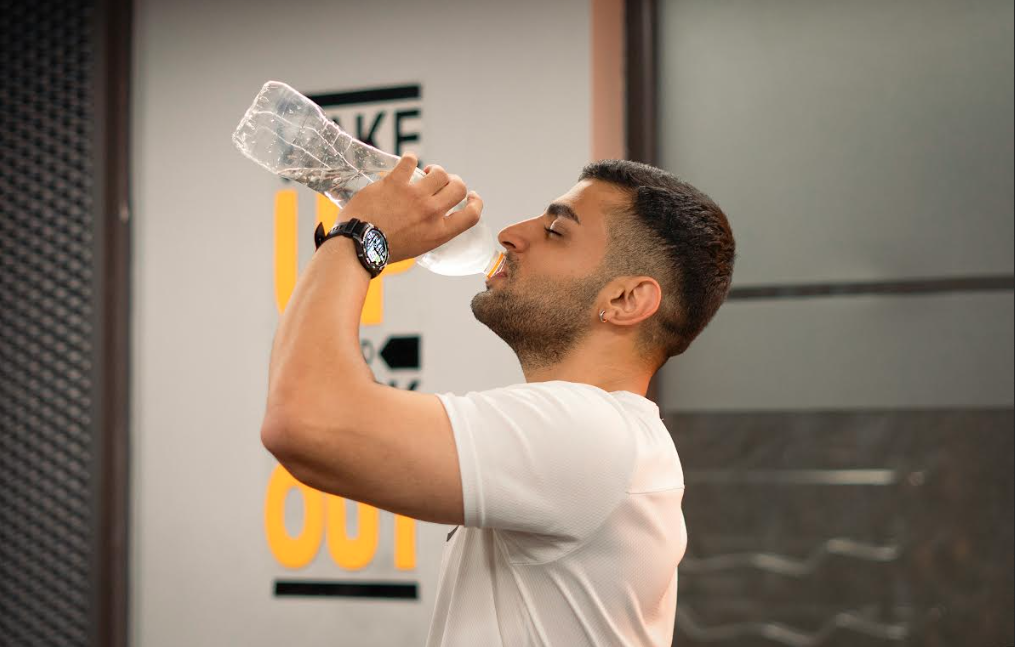
Evening Workouts: Fueling Your Workout Without Ruining Your Night
Evening workouts require a little more planning because your pre- and post-workout meals are often competing with dinner and bedtime. You want enough food to train well, but you probably don’t want to finish a hard workout at 9 p.m. and immediately sit down to an enormous meal.
How to Time Dinner Before an Evening Workout
If possible, have your main pre-workout meal around two to three hours before exercising. A meal containing protein and carbohydrates is a good foundation: chicken and rice, salmon and potatoes, a turkey wrap, or a grain bowl with lean protein are all easy options. If your schedule means you have to eat closer to your workout, reduce the portion and choose foods that you know digest well. A banana with yogurt, a small smoothie, toast with a source of protein, or another light snack can provide some energy without leaving you feeling overly full. There’s no need to eliminate carbohydrates simply because you’re exercising in the evening. Your muscles still use glycogen during training, regardless of whether the clock says 10 a.m. or 8 p.m.
What to Eat After a Late Workout
Finishing a workout late does not mean you should skip food altogether. Your muscles still need protein to recover, and going to bed hungry can be just as unpleasant as going to bed uncomfortably full. If you have already eaten a substantial dinner before training, a smaller protein-rich snack may be all you need afterward. Greek yogurt, cottage cheese, eggs, or a protein shake are convenient options.
If you haven’t eaten much before your workout, however, a proper meal may make more sense. There is no universal rule that post-workout food has to be low-carb simply because it is nighttime. Your total daily intake and your individual goals matter more than the time on the clock. For people who find that large meals interfere with sleep, keeping the post-workout meal relatively moderate and giving yourself some time to digest before bed may be more comfortable.
What Matters No Matter When You Train
Although meal timing can be useful, it shouldn’t overshadow the basics. Your total daily nutrition is still the foundation of your performance and recovery. Protein is particularly important because your muscles need amino acids to repair and adapt to training. Rather than obsessing over one perfect post-workout meal, aim to consume adequate protein consistently throughout the day. Including a meaningful source of protein at breakfast, lunch, dinner, and snacks can make that much easier.
Carbohydrates are equally useful for anyone doing regular exercise, particularly higher-volume strength training, running, cycling, or other endurance work. How much you need depends on the type and amount of exercise you do. A leisurely walk and a 90-minute training session simply do not require the same amount of fuel.
Hydration is another easy thing to overlook. After going several hours without drinking overnight, morning exercisers may begin training without having replaced much fluid. Evening exercisers can have the opposite problem: they may spend the entire day drinking too little and only realize it once they start working out. Drink regularly throughout the day rather than trying to compensate for several hours of inadequate hydration immediately before your workout. If you’re exercising for a long time or sweating heavily, electrolytes can also become useful, particularly sodium.
