
Choosing the Right Electric Ride for Your Daily Needs
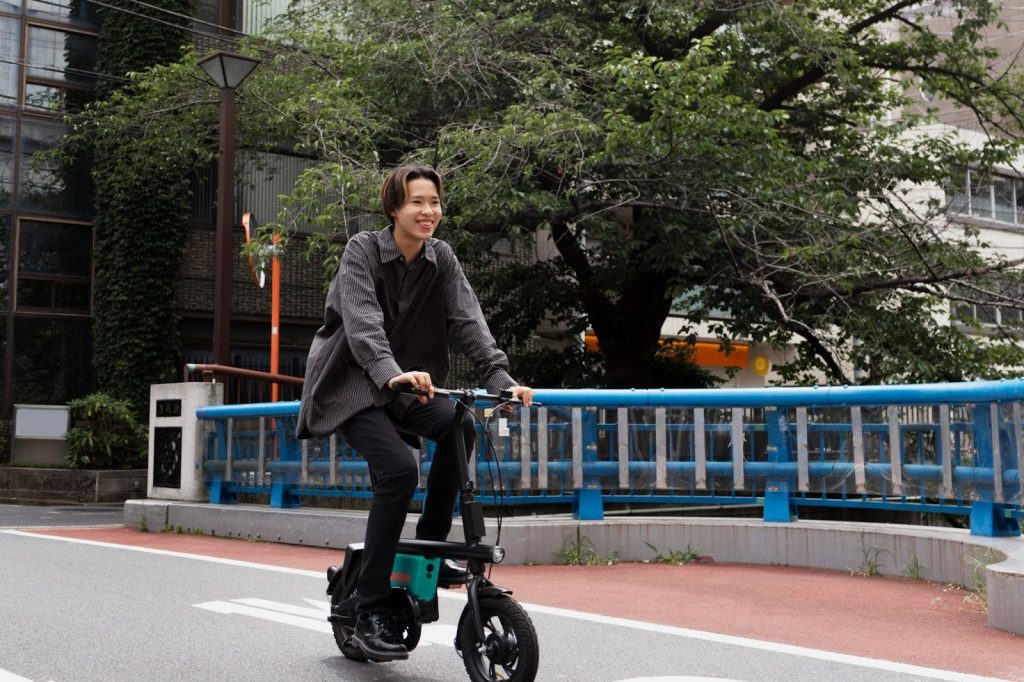
Your daily travel should feel easy, not exhausting. Whether you’re heading to work, running errands, or meeting friends, the right electric ride can save time, money, and energy. But with so many options: e-bikes, e-scooters, folding models, long-range models, how do you choose the one that truly fits your life?
The best choice isn’t about trends; it’s about your distance, road type, storage space, and comfort. In this blog, we’ll break it down in simple terms so you can confidently pick an electric ride that matches your routine and makes every trip smoother, faster, and a lot more enjoyable.
Daily Commute Fit Check
Skip the spec sheets momentarily. First, evaluate your actual route. Distance, topography, and daily must-haves dictate which option survives regular use.
Distance bands that determine the best option
Trips below three miles? Ultra-portable scooters frequently excel here, they collapse quickly and tuck beneath desks without drama. Compact e-bikes also function, though hauling them upstairs loses appeal fast.
The 3–8 mile zone creates real competition between both categories. Inclines, perspiration concerns, and storage accessibility become the tiebreakers. Past eight miles, e-bikes typically take the lead with superior battery economics and seated ergonomics, although high-capacity scooters remain viable if indoor transport is mandatory.
Terrain and route reality
Distance narrows your field, but the character of those miles determines whether you’ll embrace or abandon your purchase within weeks. When exploring options, it’s not just about advertised range, it’s about how confidently the scooter performs across your actual daily terrain.
Inclines demand strong motor torque and reliable power reserves. Since you’re standing and constantly adjusting your center of gravity, scooters require that extra output to maintain stability and control. Surface quality, potholes, cracked asphalt, or loose gravel, calls for larger wheels, true suspension systems, and flat-resistant tires to prevent fatigue and unexpected breakdowns, features many modern Street rides offer for real-world commuting.
Mixed infrastructure adds another layer of complexity. Bike lanes, multi-use paths, and sidewalk regulations vary by municipality, so verifying local rules before committing your budget is essential. Choosing a build designed for your environment ensures your ride feels dependable, comfortable, and genuinely worth the investment from day one.
Your non-negotiables checklist
Before drowning in specifications and customer reviews, define your personal requirements, what’s flexible and what’s absolutely essential.
Prioritize these elements before browsing: arriving without perspiration, carry-on portability, secured parking availability, all-weather capability, and passenger or cargo capacity. A straightforward evaluation matrix, scoring portability, comfort, velocity, safety features, range, and comprehensive cost, clarifies which category suits your circumstances. When priorities conflict, this framework exposes deal-breakers immediately.
With route and priorities established, let’s address the fundamental question: which vehicle type actually accommodates your physique, your schedule, and your storage constraints?
Electric bike vs electric scooter, decision framework that actually works
This choice isn’t about declaring a universal winner, it’s about alignment with how you navigate, where you park, and your tolerance for daily effort.
Commuter comfort and body ergonomics
Standing versus seated posture influences fatigue across extended trips. Scooters maintain upright alertness but stress knee joints and lumbar regions on imperfect surfaces. E-bikes distribute your weight across the saddle and handlebars, minimizing vibration transmission. Handlebar dimensions, platform size, and frame architecture all impact how your body feels after half an hour. Existing knee or back conditions typically favor seated configurations.
Comfort during transit matters enormously, but your selection must also survive parking environments, and fit through doorways.
Storage and theft risk in real life
Scooters fold and accompany you inside, elevators, workspaces, even restaurant spaces. That represents a substantial anti-theft advantage. E-bikes demand robust U-locks, strategic placement, and sometimes detachable battery packs to mitigate risk. If secure outdoor parking remains unavailable or seems burdensome, portability rapidly shifts the balance toward scooters.
When your commute incorporates train, bus, or carpool segments, your ride’s off-vehicle characteristics become equally critical as on-road performance.
Multi-modal commuting
Folding speed, carry weight, and rolling capability when collapsed determine transit-and-ride practicality. Scooters collapse efficiently and navigate turnstiles; e-bikes pose challenges unless you’ve selected a compact folding variant. Office-appropriate storage footprint also matters, no one appreciates bikes obstructing common areas. First-mile/last-mile segments favor portability; complete-route commutes favor comfort and velocity.
Once portability is resolved, most purchasers obsess over maximum speed, but actual commute duration depends on factors marketing materials conveniently omit.
Speed expectations without hype
Realistic average speeds in interrupted traffic hover near 12–15 mph, independent of your vehicle’s maximum capability. Intersections, crosswalks, and bike-lane transitions constrain pace more than motor output. Safety trade-offs escalate with speed, stability, stopping distance, and collision severity all deteriorate. Scooters feel less stable at elevated speeds due to smaller wheel diameter and standing posture.
If scooter characteristics match your profile, these specifications separate dependable commuters from garage decorations.
Best electric scooter for commuting, key specs that matter
Marketing rhetoric sells aspirations; genuine specifications determine whether you arrive punctually or stranded halfway.
Electric scooter range and battery life
Rider mass, inclines, cold temperatures, aggressive throttle use, and insufficient tire pressure all reduce range faster than advertised figures suggest. Plan for 1.5–2× your single-direction distance to accommodate detours and battery degradation. Battery longevity depends on charge cycles, preventing deep discharge, and storage at 40–60% capacity during non-use periods. Inexpensive batteries deteriorate rapidly, verify name-brand cell manufacturers.
Battery capacity indicates travel distance; motor output determines whether you’ll actually complete climbs without walking.
Motor power and hill performance
Continuous wattage matters more than peak specifications, which manufacturers enthusiastically inflate. Torque response, acceleration from standstill, shapes daily confidence. Dual motors assist on aggressive grades but increase weight and expense. For commuting applications, 500W continuously handles most inclines; anything less struggles with elevation and heavier riders.
If your evaluation indicates e-bike suitability instead, these features distinguish daily-driver reliability from recreational-use performance.
Choosing the right electric ride for daily commute means matching real features to your route
Class designation determines legal riding locations; the drive system determines how efficiently you’ll manage your specific terrain.
Mid-drive vs hub-drive for commuting
Mid-drive motors manage hills more effectively and deliver natural feel but cost more and accelerate drivetrain component wear. Hub-drive motors, front or rear wheel, offer simplicity, lower cost, and reduced maintenance requirements. For flat commutes, hub-drive wins; for hilly routes, mid-drive justifies the premium. Budget and topography should guide this selection more than promotional claims.
Commuter-ready components that reduce headaches
Fenders prevent mud splatter on clothing. Powerful front lights (300+ lumens) and rear lights enhance visibility. Rear racks transport cargo without back perspiration. Chain guards or belt drives minimize maintenance. Hydraulic brakes manage wet conditions more effectively than mechanical cable systems. Puncture-resistant tires save time and frustration.
Ownership expenses affect your budget; safety practices protect everything else, and accident rates involving e-bikes and e-scooters continue climbing.
Making the Call That Fits Your Life
Choosing between an e-bike and e-scooter isn’t about selecting the “best” option, it’s about synchronizing vehicle type with your genuine commute, storage limitations, and comfort priorities. Distance, terrain, portability, and safety outweigh maximum speed or attention-grabbing features.
Chart your route first, conduct test rides with specific evaluation criteria, and refuse to compromise on braking systems, lighting, or battery quality. The appropriate electric ride should streamline your day, not introduce complications. Base your decision on your most challenging commute day, and you’ll appreciate the ride on all the others.
Common Questions About Choosing Your Electric Ride
How to decide what eBike to buy?
Consider where you’ll be cycling, whether beachside boardwalks, rugged mountain trails, or crowded urban areas, as this will help determine if a road bike, mountain bike, hybrid bike, or beach cruiser is your best fit. Think about your intended use, comfort level, and budget.
Which is better for daily commuting: electric bike vs electric scooter?
E-bikes win for longer distances, comfort, and hills. Scooters win for portability, quick storage, and short trips. Your route length, parking situation, and body comfort determine the winner, not generic “best” claims.
What range should I look for in the best electric scooter for commuting?
Choose 1.5–2× your one-way commute distance. If your trip is five miles, aim for 15–20 mile advertised range to account for hills, cold, and battery aging over time.
