
Experiential Marketing Strategies for Businesses to Increase Brand Awareness
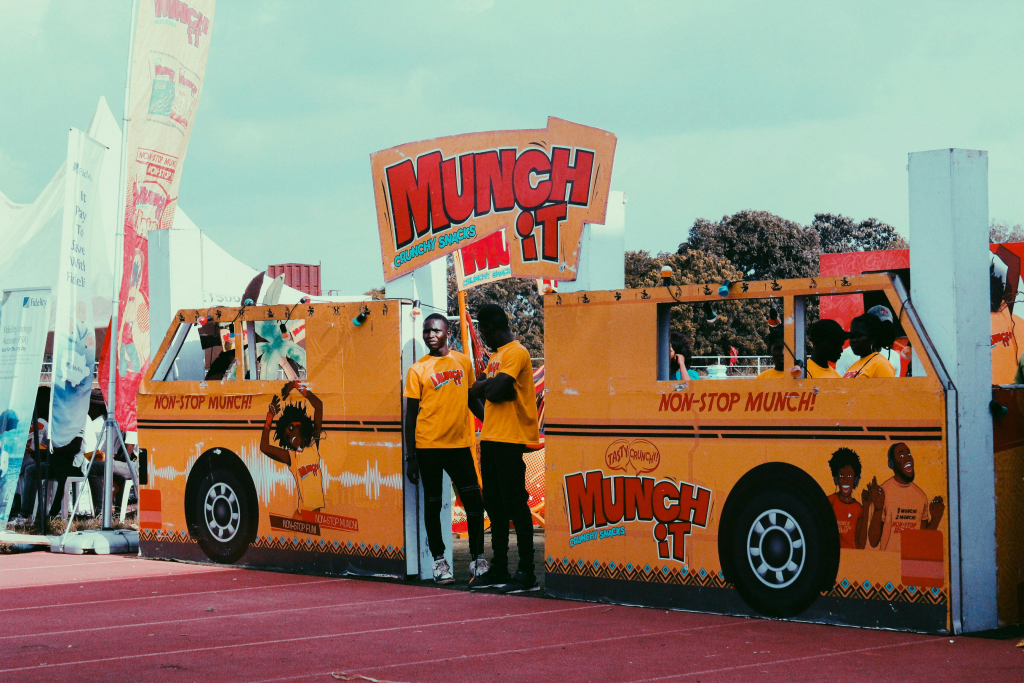
Scroll through any social media app, and you’ll be bombarded with ads, sponsored posts, and pre-roll videos. But what businesses fail to realize is that people have gotten really good at ignoring them.
Traditional advertising doesn’t work anymore when it comes to increasing brand awareness. Audiences are scrolling past banner ads, muting commercials, and installing ad blockers at record rates.
Data published in Marketing Dive confirms this. While 90% of consumers see ads, only 37% pay attention to them. More crucially, only 12% of older consumers and 22% of younger cohorts, such as Gen Z and Millennials, trust ads.
So, how do you boost brand awareness when people have mentally opted out? Experiential marketing is the answer. It is the art of creating live, immersive, and interactive moments between a brand and its audience.
Below, we will share a few experiential marketing strategies that can help you increase brand awareness.
Businesses can use a video to gif converter to turn event highlights into short, engaging GIFs for social media and marketing campaigns.
#1 Create Immersive Pop-Up Experiences
Pop-up experiences are temporary, physical brand activations that appear in unexpected places, such as a busy street corner. They are designed to surprise, delight, and engage consumers in a way a static advertisement never could.
This strategy pays off. This is why the global pop-up retail market, starting at $95 billion in 2025, is expected to hit $144.3 billion by 2032. What makes pop-ups ideal for increasing awareness is that they create FOMO (fear of missing out). That “get it before it is gone” energy pulls crowds through the door.
Take Cheez-It’s “Studio Cheez” takeover in New York City’s East Village back in late 2025, for example. It turned a nightclub into a full-on party with a glowing Cheez-It Disco Cube, the first-ever Cheez-It Tap dispensing fresh crackers, and snack-infused cocktails.
More than just a quick bite, it became a midnight spectacle. The streets hummed with the energy of a crowd that did not just want a snack but wanted to be part of the story.
To pull one off yourself, pick the right spot. Scout high-traffic areas near your target audience. Keep the theme tied tightly to your brand story. Do not forget to hype them up on your social channels weeks in advance. Track everything, from social mentions, email, and sign-ups to post-event sales.
#2 Host Live Events and Workshops
Live events and workshops take experiential marketing to the next level by turning your brand into a community hub. Instead of a quick pop-in, you invite people to spend an hour or two learning, laughing, and connecting. This strategy builds deeper loyalty than any billboard ever could.
Workshops are particularly effective for fostering long-term loyalty. Teaching customers a new skill helps brands position themselves as vital parts of their customers’ lives and local communities.
M·A·C Pro Makeup’s two-day experiential brand activation event is an excellent example. Rather than simply promoting products, M·A·C brought together professional makeup artists for hands-on education, industry networking, and creative inspiration. e=mc² events notes that this event reinforced its identity as the go-to brand for beauty professionals, not just consumers.
Planning live events and workshops is easier than you think. Focus on logistics, creativity, and audience value. Choose a theme that aligns with your brand story, secure a venue that fits, and stack the schedule with interactive elements like Q&As, hands-on demos, or surprise guest appearances.
If the planning feels overwhelming, partnering with a professional event management company would be wise. They handle everything from concept to execution, ensuring your event not only runs smoothly but also maximizes buzz and long-term awareness.
#3 Leverage Interactive Installations
Interactive installations are semi-permanent or traveling setups where people physically engage with your brand.
Visitors touch, create, explore, and connect on a deeper level. These drive awareness by encouraging longer dwell times and emotional investment. That leads to authentic stories and photos that live online forever.
Consumers are hooked on interactivity. Remember Spotify’s Wrapped Universe event in Los Angeles? Interactive rooms based on music genres and personalized listening stations let fans literally walk through their year in music. Your business can do the same on a smaller scale.
To create one, brainstorm installations that solve a customer pain point or highlight your core company values. Incorporate technology like AR filters, touchscreens, or sensory elements for the wow factor. Partner with local artists or venues for authenticity, and promote via targeted ads to drive visits.
Photo booths are a huge part of experiential marketing today. They are not just for taking pictures anymore. Brands use 360-degree video booths. They use glambots that take high-speed, professional videos. These booths make the guest feel like a Hollywood star.
Google’s “Donut Shop” pop-up installation, where conveyor belts mixed real donuts with Google Home Mini devices, is a case in point. Visitors asked questions and received surprises, cleverly demonstrating the product in a fun, memorable way.
Making Your Brand Memorable
Experiential marketing is a powerful way for businesses to stand out. It turns a product into a memory.
These strategies give you a full toolkit to make your brand the talk of the town. Start small, stay authentic, and watch the awareness grow. Your customers are not just buying products anymore but craving stories and memories. Give them those, and they will carry your brand with them everywhere.
