
How Home Health Care Reduces Hospital Readmissions for High-Risk Patients
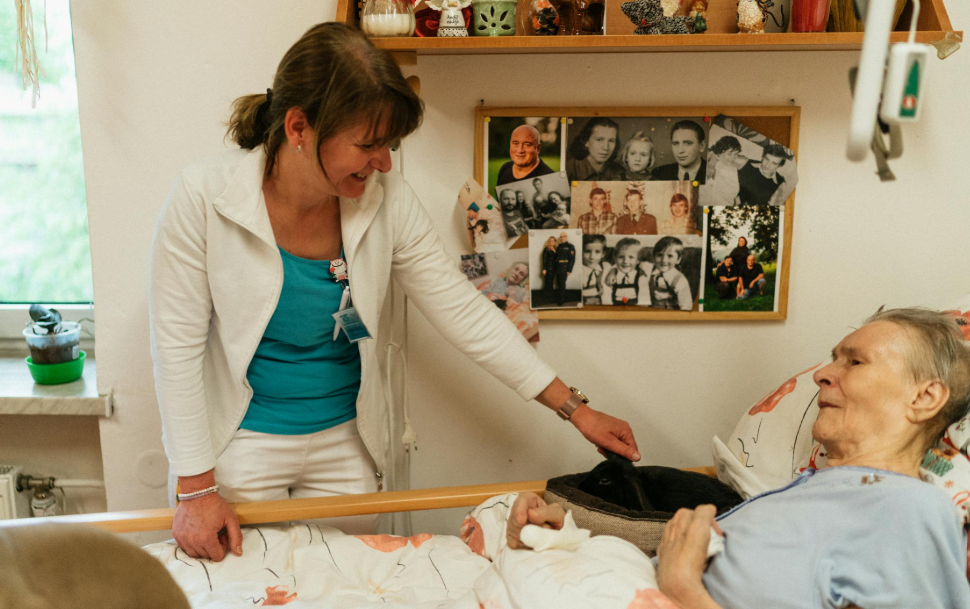
Image: https://www.pexels.com/photo/caregiver-taking-care-of-patient-on-bed-18459210/
Hospital stays can be frustrating and draining for the patients and their family members. Things feel even worse when you end up getting readmitted because of a complication after a medical procedure or treatment.
The rates of hospital readmission can be considerable for high-risk patients. According to Peterson-KFF data, 17% of hospital admissions among senior citizens who are also Medicare beneficiaries are actually readmissions. These can happen within 30 days of their earlier stay. The chances of this happening are steeper for patients who have had procedures for cardiac problems or have chronic ailments such as diabetes.
Home healthcare has emerged as a powerful way to reduce the risks of readmission, thus offering greater peace of mind and easing financial stressors for everyone involved. The reasons behind this connection pertain as much to medical factors as they do to core human connections.
Close Monitoring of Health Parameters
For high-risk patients, monitoring vital signs after a prolonged hospital stay is crucial. These could be blood pressure, heart rate, and sugar levels. They could also be signs that surgical wounds are healing, and if infection is likely to have set in.
Regardless of how well-intentioned they are, family members may not be trained for such monitoring.
In contrast, skilled nurses can detect even minor changes by observing parameters like blood pressure and breathing rate. Trained caregivers from organizations like https://ha-med.com/services/skilled-nursing-at-home/ can facilitate ongoing monitoring to ensure client safety. This continuity of care lowers the chances of complications that may otherwise lead to rehospitalization.
Dedicated help at home is also essential for excellent post-operative care, the absence of which is a top contributor to readmissions. Many surgeries leave behind wounds that warrant cleaning, dressing, and checking for signs of complications.
A 2025 Cureus study finds that surgical continuity of care can bridge the gap between discharge and recovery at home. This approach can ease the burden that readmissions create and also improve the patient’s overall quality of life.
Strict Adherence to Medication
Medication adherence can be a problem for many senior adults, who may express reluctance to follow the prescribed schedule. Not following the doctor’s instructions after complex surgeries can significantly raise the probability of complications.
Home health care by professionally trained nurses can make medication management much simpler. Experienced professionals can not only administer the prescribed medicines as required but also monitor for adverse reactions or side effects. This is imperative for high-risk patients who may be on several prescriptions.
The risks of polypharmacy in older people are a legitimate problem since 25% of senior citizens may have two or more long-term conditions. Multimorbidity is a key cause of hospital admission, which in itself can worsen their health outcomes through infections acquired during the stay.
An untrained caregiver is unlikely to understand which medications may contraindicate each other or require additional monitoring.
Bridging Social and Economic Disparities in Care Access
Home care can also play another increasingly important role in modern society: making support and guidance more accessible. While hospital stays and readmissions are difficult for everyone, some people have it worse because of deep sociocultural and economic factors.
STAT reports that more Black patients than white patients are left wanting for follow-up care after a heart attack. While almost 50% of white patients with heart failure received such support, only 40% of Black patients did. Many were not even seen by a cardiology clinician within 30 days of getting discharged from the hospital.
At-home care can address these systemic issues by supporting patients through personalized plans that bring them comfort and consistency. They can receive guidance from the comfort of their homes without having to face the limitations of availability and accessibility.
Trained caregivers can also connect patients to telehealth services and coordinate electronic health records across systems. This allows patients to receive the required rehab virtually or in a hybrid format, thus overcoming geographic barriers.
FAQs
1. How does home health care prevent hospital readmissions?
Home health care can lower the rate of hospital readmissions through continuous monitoring, medication management, and personalized recovery support. Skilled professionals can assess early warning signs. They can also ensure that patients follow post-discharge instructions.
2. How do high-risk patients benefit from professional health care at home?
High-risk patients can benefit the most from home-based care. These include senior adults, patients recovering from surgery, and those with chronic issues such as hypertension. These individuals require close supervision, medication assistance, and periodic health assessments to expedite their recovery.
3. Why is medication management vital after hospital discharge?
Medication management is key for recovery because missed doses, incorrect timing, or adverse drug interactions can cause serious complications. They can also lead to readmission. Home health professionals can help patients follow treatment plans accurately and monitor for side effects.
Home Health Care and Lower Hospital Readmissions
| Hospital readmission rate among seniors | Approximately 17% of hospital admissions among senior citizens on Medicare are readmissions within 30 days of discharge. |
| Higher-risk patient groups | Patients recovering from cardiac procedures or living with chronic problems like Type-2 diabetes face a higher risk of readmission. |
| Follow-up care disparity | Nearly 50% of white patients with heart failure received follow-up support after discharge, compared to only 40% of Black patients. |
| Multimorbidity among seniors | About 25% of senior citizens live with two or more long-term health conditions, increasing the complexity of medication management and hospital risks. |
At-Home Care Blends Comfort and Potency
Ultimately, receiving care at home has a lasting effect on a patient’s mental health. It can give them confidence and reassurance in a familiar setting that is free of the intimidation of a hospital room. For high-risk patients, this care model combines close monitoring, strict adherence, and elimination of divides. It is both comforting and powerful for anyone going through the stress of hospitalization.
