
Life with Chronic Illness: Finding Balance and Hope
Living with a chronic illness can feel like navigating an ever-changing landscape. Daily routines, physical limitations, and the emotional toll of managing symptoms can make even the simplest tasks daunting. Yet, amid these challenges, many people discover ways to live meaningful, fulfilling lives. Finding balance and hope is not only possible—it is essential for well-being.
Understanding Chronic Illness
Chronic illnesses, such as diabetes, arthritis, multiple sclerosis, or heart disease, are long-lasting conditions that often require ongoing medical care and lifestyle adjustments. Unlike acute illnesses, which resolve relatively quickly, chronic conditions demand consistent attention and management. For those affected, this can mean frequent doctor visits, medication schedules, lifestyle modifications, and adapting daily routines to physical and mental limitations.
The first step in finding balance is acceptance. Acknowledging your condition without letting it define you allows for proactive management rather than reactive stress. This mindset can create a foundation for hope and resilience.
Prioritizing Physical Health
Maintaining physical health is critical. Regular exercise, tailored to your abilities, can improve energy levels, mood, and overall functionality. Simple activities like stretching, walking, or water aerobics can have a profound impact. Nutrition also plays a central role. A balanced diet rich in whole foods, lean proteins, and essential nutrients can help manage symptoms and reduce flare-ups.
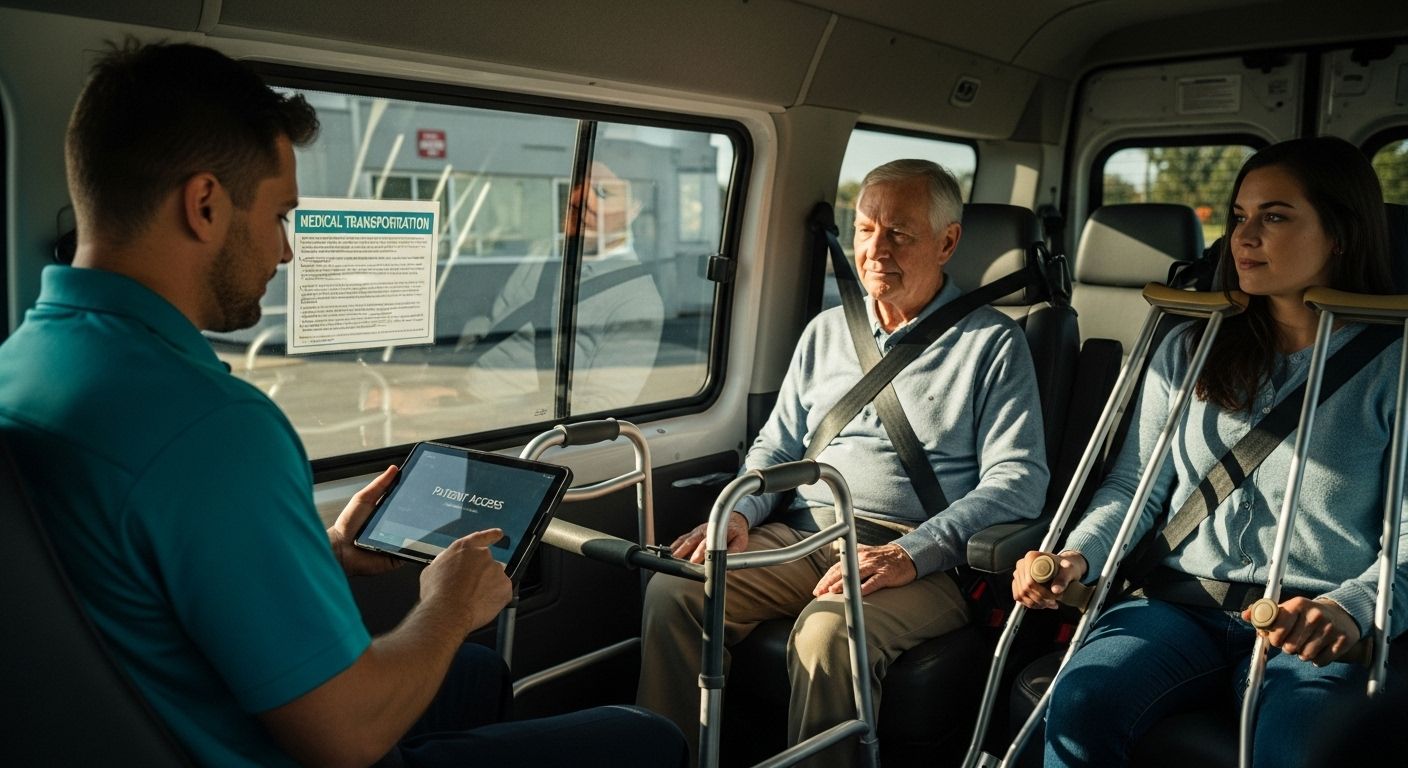
Routine medical care is equally important. Keeping up with appointments, treatments, and necessary screenings ensures that your condition remains under control. For some, accessing healthcare may present logistical challenges, making services like medical transport essential for safely reaching appointments and treatments.
Managing Mental and Emotional Well-Being
Chronic illness does not only affect the body—it impacts mental health too. Anxiety, depression, and feelings of isolation are common, particularly when social interactions are limited by physical constraints. Building a support system of friends, family, or support groups can provide emotional comfort and practical advice. Sharing experiences with others who understand your challenges can normalize your feelings and reduce the sense of isolation.
Mindfulness practices, meditation, and journaling can also help manage stress. These strategies encourage self-awareness, allowing individuals to recognize triggers, monitor emotional responses, and maintain perspective. Setting realistic goals, celebrating small victories, and practicing self-compassion are equally important. Each step forward, no matter how small, is a sign of strength.
Creating a Balanced Lifestyle
Balance involves pacing yourself. Chronic illness often comes with unpredictable days, so learning to adjust expectations is vital. Incorporating rest into your routine without guilt is essential. Adequate sleep and downtime can prevent fatigue and allow the body and mind to recover.
Structuring your day with flexible routines can reduce stress. Prioritize essential tasks, delegate where possible, and use tools such as calendars, reminders, or apps to stay organized. Accepting help when needed is not a weakness—it is a practical approach to maintaining balance and independence.
Finding Hope Through Purpose
Hope is a powerful motivator. Engaging in activities that bring joy, creativity, and fulfillment can enhance your quality of life. Whether it’s hobbies, volunteering, or learning new skills, focusing on what you can do rather than what you cannot helps maintain a sense of purpose.
Stories of resilience can also inspire. Many individuals with chronic illnesses continue to lead meaningful lives, pursuing careers, education, and personal goals. Their journeys show that limitations do not equate to a lack of potential.
Seeking Support and Resources
Resources are available for individuals managing chronic illnesses. From healthcare professionals to community programs and online networks, finding reliable information and support is crucial. Professional guidance can offer strategies for symptom management, lifestyle adjustments, and coping mechanisms. Additionally, exploring services like medical transport ensures accessibility to care without added stress.
Living with chronic illness is undeniably challenging, but it is also a journey filled with opportunities for growth, self-discovery, and hope. By prioritizing physical health, supporting mental and emotional well-being, structuring daily life thoughtfully, and seeking help when needed, individuals can find balance and lead fulfilling lives. Chronic illness may change the path, but it does not define the destination.
