
How Nutrition Impacts Senior Health at Home: Practical Meal Planning Tips
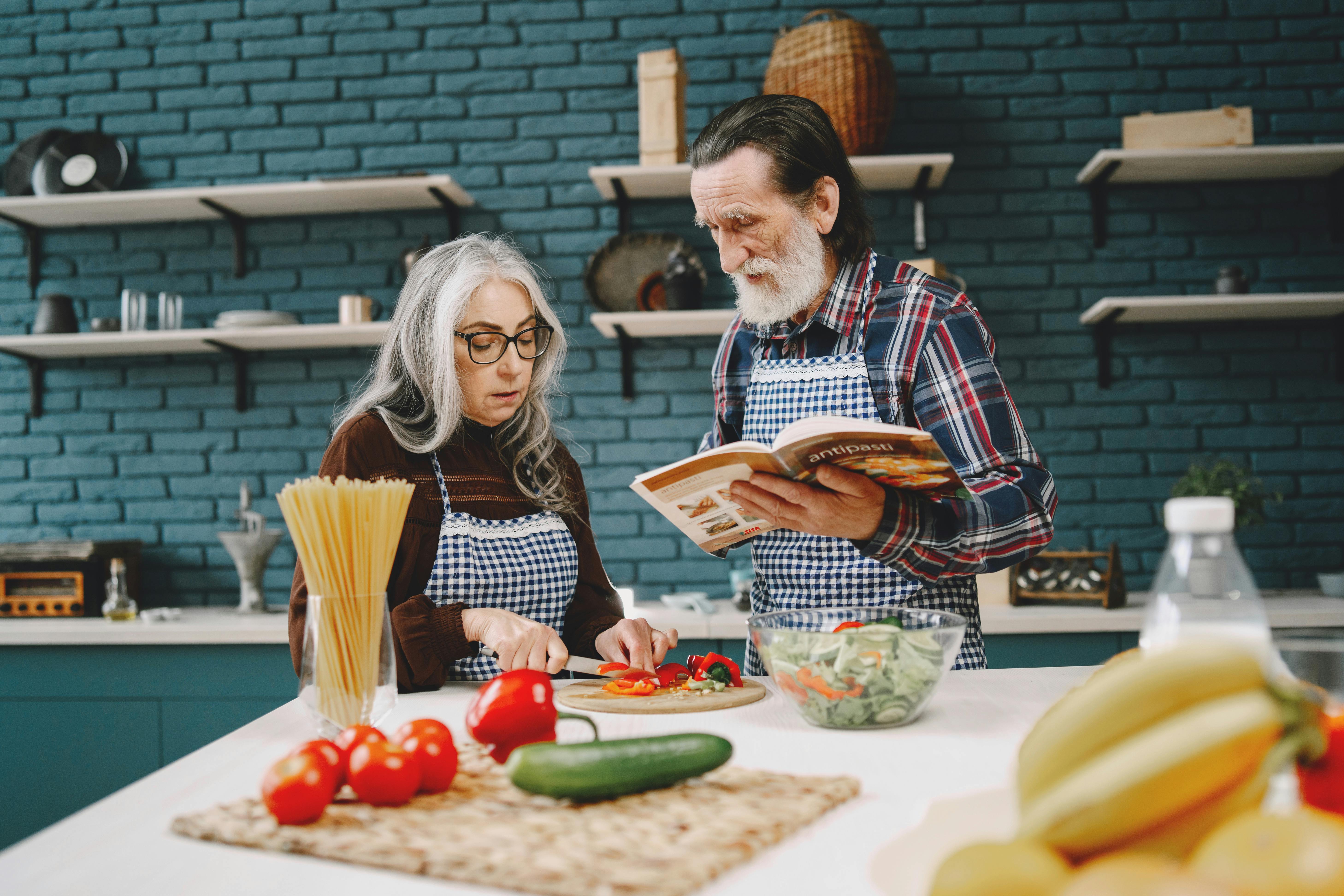
For many seniors, maintaining independence depends heavily on their diet. As bodies age, metabolism slows, and bone density requires additional support. Consequently, nutritional needs become more specific even as appetites naturally diminish. Prioritizing what is on the dinner plate is essential for staying healthy and functional while living at home.
Transitioning to longevity-focused eating at home can feel like a logistical puzzle. However, proper nutrition remains the most effective preventative medicine, directly boosting energy levels, cognitive function, and essential immune system resilience.
In this article, we’ll explore the vital link between diet and senior wellness, providing a roadmap for caregivers and seniors alike.
Build Daily Meal Routines Around Individual Health Needs
Effective meal planning for seniors must reflect their unique medical landscape. Routines should be tailored to conditions like heart health or diabetes to maximize caloric impact. Since medications often alter appetite or absorption, timing meals strategically is essential for maintaining health.
Physical constraints often necessitate easy-to-prep ingredients or finger foods that preserve senior dignity. For busy professionals, collaborating with elderly care services is a strategic choice. These experts design nutrition-focused plans, making consistent dietary management manageable and effective.
For instance, https://aplushomecareonline.com/elderly-care-services/ highlights that elderly care services can help seniors maintain their independence while remaining comfortably in their own homes. These services provide personalized in-home support with daily activities, companionship, and medication assistance.
Focus on Nutrient-Dense Foods Instead of Large Portions
As people age, their calorie needs often become lower than before. However, their bodies still require plenty of important nutrients to stay healthy. Nutrient-dense options deliver essential minerals and vitamins without providing excessive caloric intake.
Smaller, balanced meals are often easier for seniors to digest and manage throughout the day. Foods like leafy greens, berries, eggs, fish, yogurt, beans, and whole grains can support energy and muscle strength. These foods also help maintain bone health, immune function, and overall wellness.
According to Your Health Magazine, nutrition strongly influences brain function and emotional well-being. Nutrients such as B vitamins, iron, magnesium, and zinc support mood, focus, and nerve function, while deficiencies may affect mental clarity and emotional balance. In some cases, an nac supplement may also be considered to support antioxidant balance and overall cognitive health alongside a nutrient-rich diet. Foods like leafy greens, nuts, seeds, legumes, and whole grains can help improve cognitive performance and resilience to stress.
Fluid Intake Is Vital As Food Consumption
Adequate fluid intake is vital for elderly wellness, though caregivers frequently neglect this essential component during daily health management. ScienceDirect reported that nearly one in three older patients experiences dehydration. However, only about 20% of those cases are formally diagnosed. This highlights how easily dehydration symptoms can go unnoticed in seniors.
Aging can weaken the body’s natural thirst response, increasing dehydration risks in older adults. Seniors may become dehydrated even without feeling thirsty. Low fluid intake can contribute to fatigue, dizziness, confusion, and urinary tract infections. Consistent hydration habits and regular monitoring help support safer, healthier aging and reduce preventable health complications at home.
Keep Meal Preparation Simple and Consistent
Complicated recipes and lengthy cooking tasks may discourage seniors from preparing regular meals. Older adults with limited mobility or low energy often benefit from simpler meal options. Easy-to-prepare foods with familiar ingredients can reduce stress and support healthier eating habits. Batch cooking, pre-cut vegetables, and consistent meal schedules also help minimize skipped meals.
The American Heart Association states that women over 60 generally need 1,600 to 2,200 calories daily. Men in the same age group typically require 2,000 to 2,600 calories each day. Simple and consistent meal preparation can help seniors meet these nutritional needs more easily. Structured routines also support healthier long-term eating habits.
Create Comfortable and Social Mealtime Experiences
Regular meal schedules significantly enhance both the physical health and emotional stability of aging individuals. A calm, comfortable dining environment encourages seniors to eat more consistently and enjoy their meals without feeling rushed or isolated. Eating alone regularly may contribute to reduced appetite, poor nutrition, and feelings of loneliness.
Sharing meals with family and maintaining regular dining routines can make mealtimes more enjoyable for seniors. Pleasant table settings, comfortable seating, and proper lighting also create a calmer eating environment. Reducing distractions during meals helps older adults eat safely while encouraging emotional connection and improving overall quality of life at home.
Small Nutrition Changes Can Support Long-Term Wellness
Improving senior nutrition often begins with small, manageable dietary changes. Prioritizing whole foods and hydration over processed items significantly enhances physical well-being and long-term health outcomes. These gradual habits may improve energy, digestion, heart health, and immune function. Consistent nutrition routines also help seniors maintain mobility, independence, and long-term wellness at home.
A National Institutes of Health study found that malnutrition is strongly linked to higher illness and mortality risks in older adults. Poor nutrition can also extend hospital stays by up to 90% compared to well-nourished patients. These longer recoveries often increase medical expenses. Small nutrition improvements may help support healthier long-term outcomes for seniors.
Frequently Asked Questions
What foods are easier for seniors with chewing difficulties?
Soft, easy-to-chew foods like yogurt and scrambled eggs help seniors maintain nutrition without discomfort. Options such as steamed vegetables and tender fish are much easier to manage. Additionally, moist, bite-sized portions reduce chewing strain, supporting safer and more comfortable eating habits.
Can nutrition influence sleep quality in older adults?
Dietary choices profoundly influence how well seniors sleep. Balanced meals featuring magnesium, protein, and complex carbohydrates support better rest, while limiting caffeine and sugar reduces disturbances. Furthermore, consistent meal timing and proper hydration help regulate energy levels to promote restorative sleep patterns.
What symptoms indicate that a senior lacks proper nutrition?
Nutritional deficiencies in seniors often manifest as fatigue, weight loss, and weakened immunity. Promptly identifying symptoms such as muscle weakness or cognitive decline is crucial for senior wellness. Balanced dietary support effectively prevents these signs from developing into serious long-term complications.
Key Statistics on Senior Nutrition and Health at Home
| Undiagnosed dehydration in seniors | Nearly one in three older patients experiences dehydration, but only about 20% of cases are formally diagnosed |
| Daily calorie needs for women over 60 | Women over 60 generally require 1,600 to 2,200 calories per day |
| Daily calorie needs for men over 60 | Men over 60 typically require 2,000 to 2,600 calories per day |
| Impact of malnutrition on recovery | Poor nutrition can extend hospital stays by up to 90% compared to well-nourished patients |
| Health risks linked to malnutrition | Malnutrition is strongly associated with higher illness and mortality risks in older adults |
Supporting Healthier Aging Through Better Nutrition
Good nutrition helps seniors maintain strength, independence, and overall well-being at home. Balanced meal planning that includes hydration, nutrient-dense foods, and consistency can support healthier aging. Paying attention to individual health needs may also improve both physical comfort and emotional wellness over time.
By creating practical and sustainable nutrition habits, families and caregivers can make healthy eating more manageable and enjoyable for older adults. A balanced approach to nutrition not only supports daily comfort but also encourages healthier, safer, and more independent aging at home.
