
The Rise of Coconut Acai Bowls: A Modern Breakfast Staple
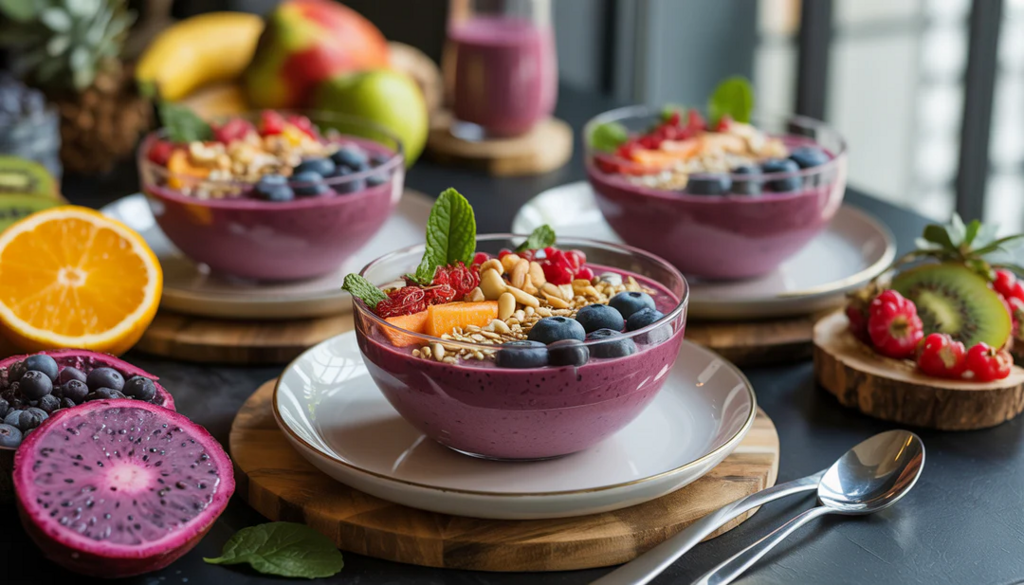
Walk into any health-focused café in Los Angeles, Miami, or New York, and you’ll likely spot the same vibrant purple bowl on nearly every table. The coconut acai base has evolved from a niche superfood trend into a mainstream breakfast choice, combining the creamy richness of coconut with the antioxidant power of acai berries. What started as a staple food in the Amazon rainforest has transformed into a global phenomenon, driven by both genuine nutritional benefits and undeniable visual appeal.
This shift reflects broader changes in how Americans approach morning meals. As consumers increasingly prioritize nutrient density and natural ingredients, the coconut acai base offers a compelling alternative to traditional breakfast options. Understanding what makes this combination work—from its nutritional profile to its cultural origins—reveals why it has become more than just another passing food trend.
Why Coconut Transforms the Acai Bowl Experience
The choice of base fundamentally shapes an acai bowl’s texture, flavor, and nutritional value. Coconut brings distinct advantages that other liquid bases struggle to match:
- Medium-Chain Triglycerides (MCTs): Unlike the long-chain fatty acids found in most foods, coconut’s MCTs are metabolized differently, potentially supporting sustained energy levels throughout the morning.
- Micronutrient Density: Coconut provides meaningful amounts of manganese, copper, and selenium—minerals that support metabolic function and cellular health.
- Natural Creaminess: The fat content in coconut milk creates a luxurious texture without requiring dairy, making it suitable for various dietary preferences.
- Flavor Compatibility: Coconut’s subtle sweetness balances acai’s natural tartness without overwhelming the berry’s distinctive taste.
Research published in the Journal of the Academy of Nutrition and Dietetics suggests that the specific fatty acid profile in coconut may influence satiety signals differently than other fat sources. This could explain why coconut-based bowls often feel more satisfying than their almond milk or juice-based counterparts.
Building Your Coconut Smoothie Bowl Base
Creating a restaurant-quality coconut smoothie bowl base at home requires attention to ratios and technique. The goal is achieving a thick, spoonable consistency that holds toppings without turning into soup.
Essential Components:
- 1 cup full-fat coconut milk (refrigerated overnight for best results)
- 2 frozen acai packets (100g each)
- 1 frozen banana, broken into chunks
- Optional: 1-2 teaspoons honey or maple syrup
Method:
- Prep Your Blender: Start with the coconut milk at the bottom to help the blades catch. Add frozen acai packets and banana chunks on top.
- Blend in Stages: Pulse initially to break down frozen chunks, then blend continuously for 30-45 seconds. The mixture should be thick enough that the blender struggles slightly—this indicates proper consistency.
- Adjust Texture: If too thick to blend, add coconut milk one tablespoon at a time. If too thin, add more frozen bananas or a handful of ice.
- Taste and Sweeten: Acai’s natural tartness varies by brand. Add sweetener gradually, blending briefly after each addition.
- Serve Immediately: The base will begin to soften and lose its ideal texture within 10-15 minutes.
Professional smoothie bowl makers often use a tamper tool to push ingredients toward the blades without adding excess liquid. High-powered blenders like Vitamix or Blendtec handle frozen ingredients more effectively than standard models, though any blender can work with patience and proper technique.
From Amazonian Staple to Instagram Sensation
The acai berry’s journey from the Brazilian rainforest to American breakfast tables illustrates how traditional foods can be recontextualized for new markets. Indigenous communities in the Amazon have consumed acai for centuries, traditionally blending the berries into a thick porridge and eating it with fish or cassava flour—a far cry from the fruit-topped bowls popular today.
The modern acai bowl emerged in the 1980s and 1990s when Brazilian surfers began blending frozen acai with guarana syrup for a quick energy boost. This version traveled north to California’s surf communities, where it evolved into the breakfast bowl format now ubiquitous in health-conscious cities. According to The New York Times, the acai bowl market in the United States has grown exponentially since 2010, driven largely by social media’s visual culture.
The coconut base variation gained traction as consumers sought dairy-free alternatives that maintained the creamy texture essential to the bowl’s appeal. Unlike juice-based versions, which can feel more like a smoothie in a bowl, coconut milk creates the thick, ice cream-like consistency that photographs well and satisfies the desire for a substantial meal.
The Coconut Advantage: Comparing Base Options
When constructing an acai bowl, the base liquid determines much of the final product’s character. Each option brings distinct trade-offs:
- Coconut Milk: Provides richness and healthy fats, creates ideal thickness, adds subtle tropical notes. The fat content helps with absorption of fat-soluble vitamins from toppings like berries and nuts.
- Almond Milk: Lower in calories and fat, neutral flavor profile, thinner consistency requires more frozen fruit to achieve proper texture. Works well for those monitoring caloric intake.
- Fruit Juice: Adds natural sweetness and vitamin C, but lacks protein and healthy fats. Results in a lighter, less satisfying bowl that may not sustain energy through the morning.
- Greek Yogurt: High in protein, creates excellent thickness, introduces tangy flavor that some find competes with acai’s taste. Not suitable for dairy-free diets.
The coconut base strikes a balance between indulgence and nutrition. Research from Harvard Medical School notes that while coconut’s saturated fat content has been debated, the specific types of fatty acids it contains may have different metabolic effects than previously assumed. For many consumers, the coconut base offers the most satisfying eating experience while supporting various dietary approaches.
Customizing Your Coconut Base Acai Bowl
The beauty of a coconut acai bowl base lies in its versatility as a canvas for personalization. Professional bowl makers follow certain principles to create balanced, visually appealing results:
Topping Categories to Consider:
- Fresh Fruit: Sliced banana, strawberries, blueberries, kiwi, or mango add natural sweetness and vitamins. Arrange in sections rather than scattering randomly for better presentation.
- Textural Elements: Granola, sliced almonds, coconut flakes, cacao nibs, or hemp seeds provide satisfying crunch. Apply these last so they sit on top rather than sinking into the base.
- Nutritional Boosters: Chia seeds, ground flaxseed, bee pollen, or goji berries increase fiber, omega-3s, and micronutrients without dramatically changing flavor.
- Drizzles: Nut butter, honey, or dark chocolate create visual interest and add richness. Use squeeze bottles for controlled application.
Assembly Strategy:
Pour your coconut base into a wide, shallow bowl rather than a deep one—this maximizes surface area for toppings. Smooth the top with the back of a spoon to create an even canvas. Arrange toppings in distinct sections or rows rather than mixing everything together. This approach not only photographs better but also allows you to experience different flavor combinations with each spoonful.
For those prioritizing convenience without compromising quality, ready-made coconut açaí bowl bases offer a streamlined way to enjoy the same nutritional value and flavor profile that make these bowls popular. Products from Acai Exotic are designed for this purpose, while comparable options from Sambazon and Amafruits also provide pre-prepared bases that simplify preparation while preserving taste and nutritional integrity.
Making the Coconut Acai Base Work for You
The sustained popularity of coconut acai bowls reflects more than effective marketing or photogenic presentation. These bowls address real needs: the desire for nutrient-dense breakfasts that don’t require extensive preparation, the appeal of plant-based options that still feel indulgent, and the flexibility to adapt a single base concept to various dietary preferences and taste profiles.
The coconut base specifically solves several common breakfast challenges. Its healthy fat content provides satiety that purely fruit-based options lack. The creamy texture satisfies cravings for rich foods without requiring dairy. The mild flavor complements rather than competes with toppings, allowing for endless variation without needing to master multiple base recipes.
For those new to acai bowls, starting with a coconut base offers the most forgiving introduction. The richness masks any bitterness from the acai, the thickness creates an appealing texture even if proportions aren’t perfect, and the tropical flavor profile feels familiar to most palates. As you develop your technique and preferences, the coconut base remains versatile enough to evolve with your tastes—whether that means adding protein powder for post-workout recovery, incorporating greens for extra nutrients, or keeping it simple with just fruit and granola.
The coconut acai bowl represents a rare convergence: a food trend with genuine nutritional merit, cultural roots that extend beyond marketing, and enough flexibility to remain relevant as tastes change. Whether you’re drawn to the health benefits, the flavor, or simply the ritual of creating something beautiful to start your day, the coconut base provides a solid foundation worth exploring.
