
Better Nutrient Absorption Through a Whole Food Natural Supplement
The modern diet often presents a biological paradox: you may be consuming a high volume of calories while simultaneously suffering from cellular starvation. Despite the abundance of processed foods and even “fortified” snacks, many individuals struggle with persistent fatigue, brain fog, and digestive sluggishness. The culprit is often not a lack of intake, but a failure of absorption.
When the body receives nutrients in a synthetic, isolated form, it often lacks the complex biological “keys” required to unlock their potential. This is why many people find that even a high-quality multivitamin fails to move the needle on their daily energy levels. To achieve true nutritional efficiency, the focus must shift from merely consuming vitamins to ensuring those vitamins are actually bioavailable.
The Bioavailability Gap in Modern Nutrition
Bioavailability refers to the proportion of a nutrient that is digested, absorbed, and utilized by the body. In a laboratory setting, a synthetic pill might contain 500mg of Vitamin C, but if that vitamin is stripped of its natural co-factors—the enzymes and minerals that exist in a piece of fruit—the body may simply pass it through the digestive tract without absorbing it.
The Role of Food Matrices
In nature, nutrients do not exist in isolation. They exist within a “food matrix”—a complex web of fiber, enzymes, phytochemicals, and fats that work together. For example, the fat-soluble vitamins (A, D, E, and K) require dietary fats to be absorbed effectively. When you consume a synthetic vitamin on an empty stomach, you are bypassing the very biological mechanisms designed to usher those nutrients into your bloodstream.
This gap is particularly prevalent in those following restrictive diets or those living in urban environments where fresh, diverse produce is not a daily staple. When the food matrix is missing, the body has to work significantly harder to process what it does consume, often leading to digestive distress rather than nourishment.
Why Synthetic Isolates Often Fail
Most standard multivitamins rely on synthetic versions of essential nutrients. While these are often cheaper to manufacture, they are essentially “imitation” molecules. While they may satisfy a basic laboratory requirement for a specific nutrient, they lack the complex structure of whole foods. This lack of complexity means that the body’s transport proteins may not recognize them as efficiently, leading to suboptimal absorption and, ultimately, wasted money and wasted nutrients.
Bridging the Gap with Whole Food Nutrition
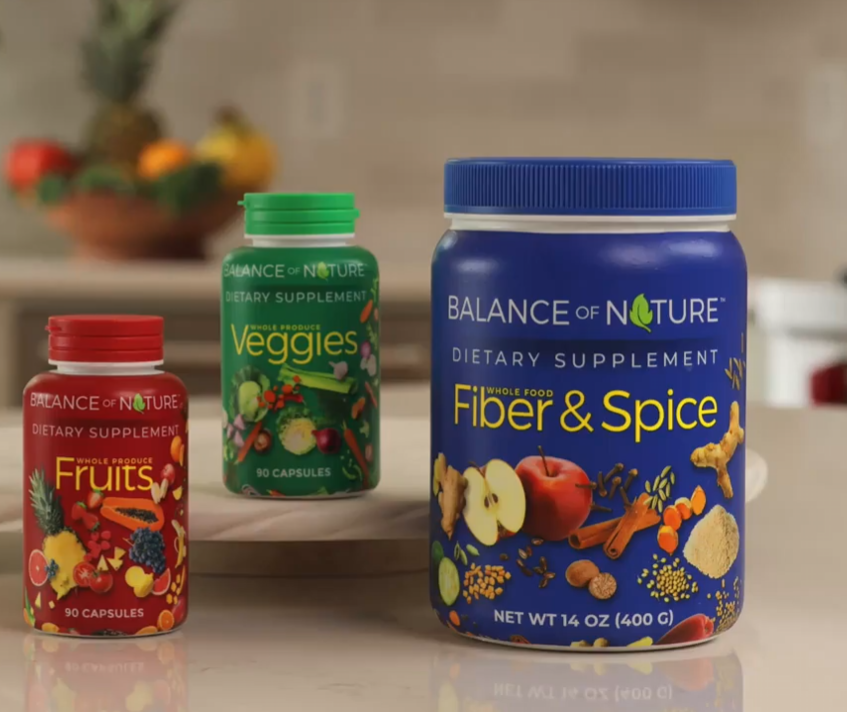
To overcome the absorption hurdle, the goal is to provide the body with nutrients in a form it recognizes and can immediately utilize. This is where the concept of a whole food natural supplement becomes relevant for those seeking to optimize their health. By utilizing concentrated extracts from actual fruits and vegetables, you provide the body with the nutrient-dense intelligence it evolved to process.
The Advantage of Concentrated Whole Foods
Using whole food concentrates offers several distinct advantages over traditional synthetic supplementation:
- Co-Factor Presence: Whole foods contain the secondary micronutrients and enzymes that assist in the absorption of primary vitamins.
- Nutrient Interdependence: Nutrients in their natural state work in tandem. For instance, the presence of certain polyphenols in whole plants can enhance the uptake of minerals like iron or calcium.
- Reduced Digestive Load: Because the body recognizes these molecules as “food,” there is often less metabolic stress on the gut lining compared to concentrated chemical salts found in many drugstore supplements.
Optimizing Your Digestive Environment
Even the best nutrients cannot be absorbed if the gut environment is compromised. Low stomach acid, an imbalance in gut microbiota, or chronic inflammation can create a barrier to absorption.
To maximize the efficacy of your nutritional regimen, consider these practical steps:
- Prioritize Diversity: Aim for a wide variety of colors in your meals to ensure a broad spectrum of phytochemicals.
- Support Gut Integrity: Incorporate fermented foods or fiber-rich plants to maintain a healthy mucosal lining, which is essential for nutrient transport.
- Time Your Intake: If you are taking any concentrated nutrition, doing so alongside a meal containing healthy fats can significantly increase the absorption of fat-soluble vitamins.
Moving Beyond Caloric Intake to Nutritional Density
The shift from “eating to feel full” to “eating to be nourished” is a fundamental change in how we approach longevity and daily performance. It is no longer enough to simply avoid hunger; the objective is to fuel the cellular processes that drive cognitive clarity and physical stamina.
By focusing on the bioavailability of your nutrients—through a combination of whole food consumption and targeted, plant-based supplementation—you address the root cause of nutritional deficiencies rather than just masking the symptoms. When your body no longer has to struggle to identify and process the nutrients you consume, the result is a noticeable shift in how you feel, from the moment you wake up until your energy levels settle at night.
