
How Often Should You Service Your HVAC System? A Practical Maintenance Guide for Homeowners
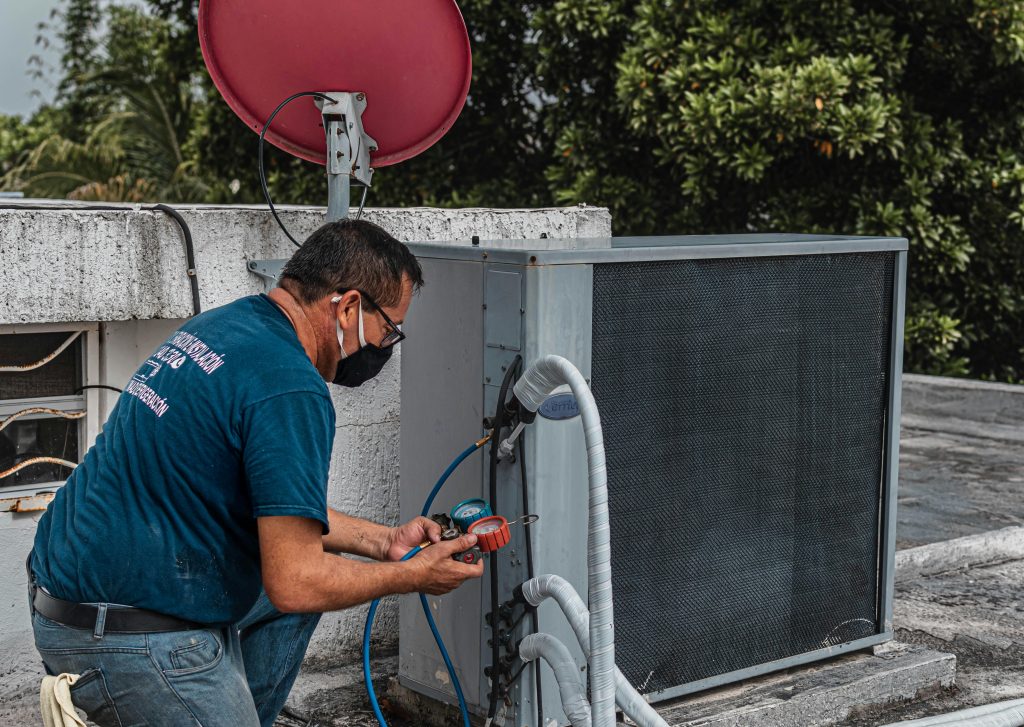
Image link: https://www.pexels.com/photo/man-checking-an-air-conditioner-5463575/.
You usually notice your HVAC system only when something feels off. A room may take longer to cool, the air may feel heavy, or your energy bill may suddenly jump. These small changes often come before bigger problems.
Most homeowners are unsure how often upkeep is actually needed. Some schedule it too frequently and overspend, while others wait too long and face costly repairs. Maintenance needs will differ significantly from one household to another. Your system’s usage, condition, and locale all play a role.
When you understand these factors, it becomes easier to plan maintenance, avoid sudden issues, and keep your system running smoothly. This starts with understanding what actually determines how often your system needs upkeep.
Understanding the Cost of Skipping Maintenance
It is easy to delay servicing to save money. Many homeowners take this route. The problem is that minor issues do not stay small for long. A clogged filter, for example, restricts airflow, increasing the unit’s load.
Over time, this strain affects other parts. These issues often lead to rising costs over time. HomeGuide notes that HVAC service calls alone can cost between $75 and $200. Common repairs often range from $150 to $450, depending on the issue.
The guide also highlights that major system replacements can reach $5,000 to $11,000, showing how quickly costs rise when problems are ignored. This is how small problems become expensive.
Most extreme complications start as minor snags. Ignoring them only increases the final cost. This is why early action matters. You do not need overpriced solutions every time. But the impact isn’t just about the repair costs.
Affordable Fixes notes that neglecting regular maintenance can lead to rising energy bills, as the system works harder to perform the same tasks. Over time, this increases your overall costs. When you treat maintenance as prevention, you reduce the chance of sudden expenses.
Deciding When to Service Your System
You may have heard that HVAC systems need servicing twice a year. This is a good baseline, but it isn’t applicable to every home. Your usage plays the biggest role.
If you run your AC daily in hot weather, it increases the system load. The same applies to homes with pets or higher dust levels, as they require more frequent attention. Here’s a simple rule to remain organized: service your cooling system in spring and your heating unit in fall.
This prepares your system before heavy use begins, as the timing is based on how your system reacts to different conditions throughout the year. These seasonal changes also affect what happens inside your system.
Moisture buildup during cooling can lead to mold growth. This can impact air quality and trigger respiratory issues or allergies. In fact, just last year, Midea recalled over 1.5 million AC units due to mold exposure risk. These hazards also affect how your system performs each day.
That is why small maintenance steps still matter. You should also attend to your filters. Swapping them out every one to three months ensures consistent airflow and minimizes pressure on the unit. Instead of following a fixed schedule, adjust servicing based on your system performance.
Identifying the Signs of Potential Failure
Your HVAC system won’t fail without warnings. It shows signs, but they are easy to ignore. You may notice weaker airflow or longer cooling cycles. Some rooms may feel warmer than others. These small changes often signal deeper issues.
Many people assume these are minor fluctuations. In reality, they point to reduced efficiency or early wear. These signs often reflect how well the system has been maintained over time. This is closely linked to how long your unit will last.
CNET notes that most HVAC systems are built to last around 20 years, though central air units often average 15 to 20 years. Home furnaces should last about 15 to 20 years, while new heat pumps can make it to around 10 to 15 years.
It also highlights that changing filters, sealing ducts, and scheduling regular tune-ups can help extend the system’s lifespan. When these steps are ignored, system wear builds up faster.
As a result, your system struggles and internal parts face more stress. This leads to faster wear and higher energy use. If you act early, you can prevent long-term damage. Paying attention to these signs helps you extend your system’s life and avoid early replacement.
Balancing DIY Tasks and Professional Care
Not all HVAC maintenance requires expert help. There are some menial repairs you can manage on your own. You should replace filters regularly and keep vents clean. Removing debris around the exterior unit also improves ventilation. These measures minimize system stress and improve its performance.
These are basic tasks you can manage on your own, but they do not replace deeper system checks. Forbes notes that annual servicing should include checking refrigerant levels, inspecting ductwork for leaks, clearing the condensate drain, and testing thermostat accuracy.
It also highlights that homeowners can handle monthly tasks like replacing filters, cleaning vents, and inspecting condenser fins to maintain airflow and overall efficiency. These routine steps help maintain performance, but they do not address internal system issues.
However, some tasks require a professional. Electrical checks, refrigerant levels, and internal cleaning need proper tools and training. Handling these without experience can lead to damage or safety risks. You should not wait for visible issues before calling a technician.
Scheduled inspections help detect hidden problems early. The best approach is to combine both efforts. Handle simple maintenance yourself and rely on professionals for deeper servicing.
People Also Ask
How do I know if my HVAC system needs servicing soon?
You can spot early signs through small changes in performance. If your system takes longer to heat or cool, makes unusual noises, or causes uneven temperatures, it likely needs attention. A sudden surge in utility statements is another clear indicator that the performance has dropped.
What happens if you skip your routine HVAC system servicing?
Skipping servicing can result in reduced performance, increased energy costs, and recurring breakdowns. Excessive dirt and worn-out components add to the unit load. Over time, this strain can damage key parts and shorten the system’s lifespan significantly, leading to costly repairs or early replacement.
Will skipping annual HVAC service void my manufacturer’s warranty?
Yes, most manufacturers demand proof of yearly professional upkeep to allow warranties on parts. If a major component fails and you lack maintenance records, they may deny your claim. Keeping your service receipts protects you from paying thousands out-of-pocket for defects that should otherwise be covered under your agreement.
HVAC maintenance goes beyond just following a set schedule. It also involves understanding how your system works and what it needs. You should adjust servicing based on usage, age, and environment.
Address small issues early to avoid high repair costs. Stay alert for red flags and resolve them promptly. Simple steps at home can make a massive difference. At the same time, professional servicing keeps your system running safely.
When you stay consistent, your HVAC system lasts longer. It also keeps your home comfortable without unexpected expenses.
