
What to Expect When Seeking Behavioral Health Support in Montana
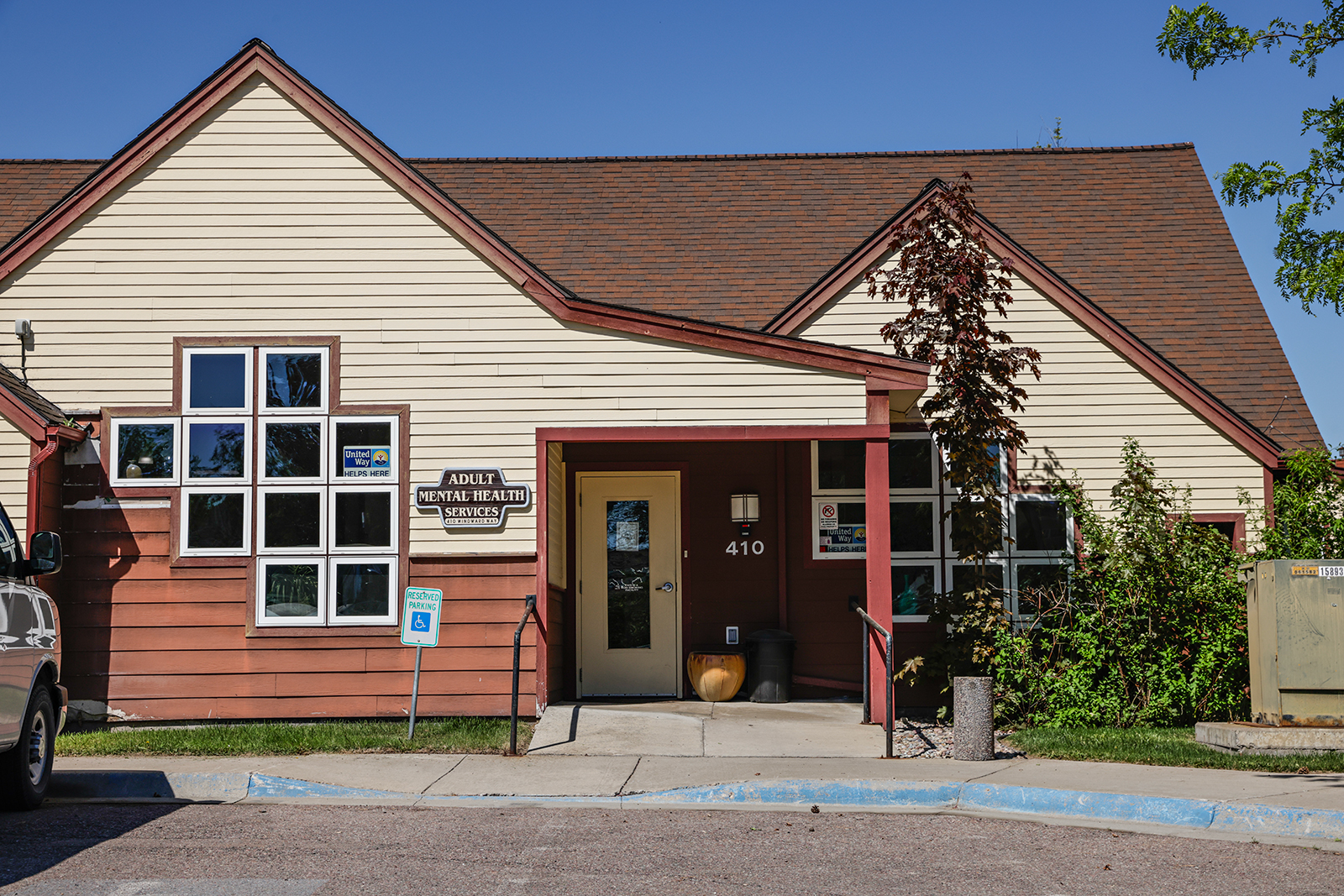
Mental health challenges impact mood, relationships, and the ability to handle daily pressures. People in Montana sometimes face stress, anxiety, or emotional strain that makes life feel heavier than usual. Early guidance brings clarity and helps individuals take meaningful steps toward improvement. You can check these factors or read this article to gain more knowledge as you begin the process.
Support becomes easier to access through trusted providers offering behavioral health services in Montana, which give individuals a safe place to understand their concerns and explore solutions. Care teams guide each step so people feel supported rather than overwhelmed.
Initial Conversation With a Care Provider
Your first meeting focuses on learning about your concerns and goals. Providers ask simple questions to understand what you are facing and how symptoms affect your daily routine. Montana professionals aim to make this conversation comfortable and judgment-free. However, some people feel nervous at first, which is completely normal. The goal is to gather information that shapes future care. Also, early discussions help identify what type of support may be most helpful.
Assessment That Guides Your Treatment Plan
A structured assessment gives providers a clearer picture of your emotional and behavioral patterns. Therefore, you may answer questionnaires or describe recent experiences. Montana clinicians use this information to design a personalized plan. These assessments highlight strengths and challenges so nothing important is overlooked. Also, they help determine whether therapy, medication support, or lifestyle changes would be beneficial. Clear evaluation leads to stronger care outcomes.
Therapy Sessions That Encourage Progress
Therapy provides a space to talk openly and explore strategies that improve emotional balance. You work with a trained professional who guides conversations and offers practical tools. Montana residents appreciate the privacy and structure sessions provide. However, progress may feel slow at times, which is a normal part of the process. Consistency helps build trust and insight. Also, therapy styles vary, allowing your plan to match your comfort level.
Medication Options When Needed
Some treatment plans may include medication support. Providers explain how each option works and what benefits it may offer. Therefore, decisions are made carefully, based on symptoms and long-term goals. Montana clinics monitor medication use closely to ensure safety. Regular check-ins help adjust dosage or approach if needed. Also, individuals can ask questions at any time to clarify concerns and stay informed throughout the process.
Support for Families and Caregivers
Behavioral health challenges impact loved ones as well. Family guidance helps improve communication and understanding at home. Care teams in Montana offer sessions that strengthen support systems. However, participation depends on comfort and individual needs. Families gain tools that reduce frustration and improve cooperation. Also, shared conversations help everyone move forward with empathy and clarity.
Community Resources That Strengthen Care
Montana communities provide additional programs that complement clinical treatment. Local workshops, peer groups, and wellness activities create accessible ways to build resilience. Therefore, individuals can continue progress outside of appointments. These resources reduce isolation and increase motivation. Also, they help reinforce positive habits developed during therapy. Strong community support enhances long-term stability.
Ongoing Monitoring and Adjustments
Improvement requires steady review and flexibility. Providers evaluate changes in mood, stress levels, and daily functioning. Montana care teams adjust treatment plans based on progress. However, adjustments do not mean failure; they simply reflect evolving needs. Also, regular communication helps prevent setbacks. A responsive plan encourages long-lasting emotional balance.
Behavioral health support offers a clear path toward emotional stability and improved well-being. People in Montana can expect guidance, structure, and compassion throughout the process. Treatment plans adapt as needs change, making support accessible at every stage. With help from experienced professionals and local resources, individuals gain confidence to move forward and strengthen their overall wellness.
