
Myanmar at the SEA Games: The Sports Where the Country Has Built Its Strongest Traditions
More than an occasional medal-winning performance at the SEA Games has been part of Myanmar’s history in the SEA Games. The country has built many identifiable areas of strength from the martial arts of old to competitive team sports. Some are a result of centuries-long development of sport within their own cultural environment; some have gained momentum as a result of their international successes. These long-term developments will help us understand where the greatest impact has occurred for Myanmar. Review the sports, achievements, and athletes who were responsible for this legacy.
How Myanmar Established Its Place in SEA Games History
In 1959, Burma joined the Southeast Asia Peninsula Games, which is now known as the Southeast Asia Games. The first time Burma participated was when it hosted the games in 1961 and again in 1969. Football and athletics have been major sports since that period. The country’s long football history also attracts fans who follow regional tournaments through Melbet sports betting. It gives supporters another way to engage with matches, compare team performances, and follow tournament results. The Burmese national football team earned a total of five consecutive championships from 1965 to 1973. This is one of the most successful records among all participating nations.
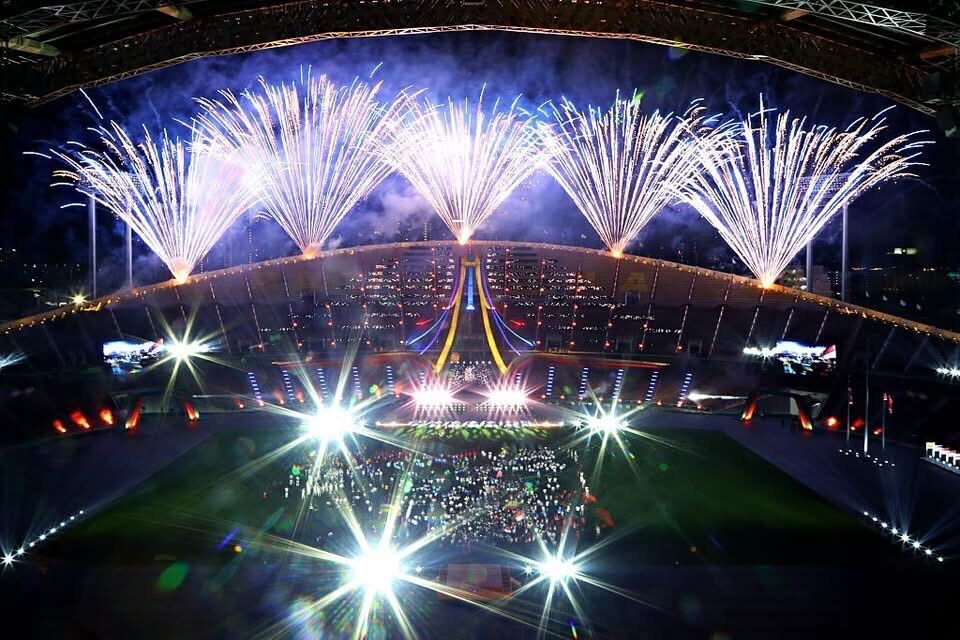
Burma’s sporting image has undergone significant transformation through hosting the 2013 SEA Games. In addition to Nay Pyi Taw, Yangon, Mandalay and Ngwesaung had their share of competitions in various disciplines. At the end of the games, Myanmar ranked second place in terms of gold medals with a total of 86. Many traditional sports also achieved success in the same year, as well as successes in other sports like rowing, athletics, etc. Those results remain the best indicator of Myanmar’s competitive strengths.
Traditional Sports That Have Delivered Major Success
Myanmar’s sporting heritage has given its athletes valuable experience in disciplines practiced throughout local communities. The SEA Games provide opportunities to compete internationally in events connected to these traditions. Several sports have become particularly important to the country’s regional identity:
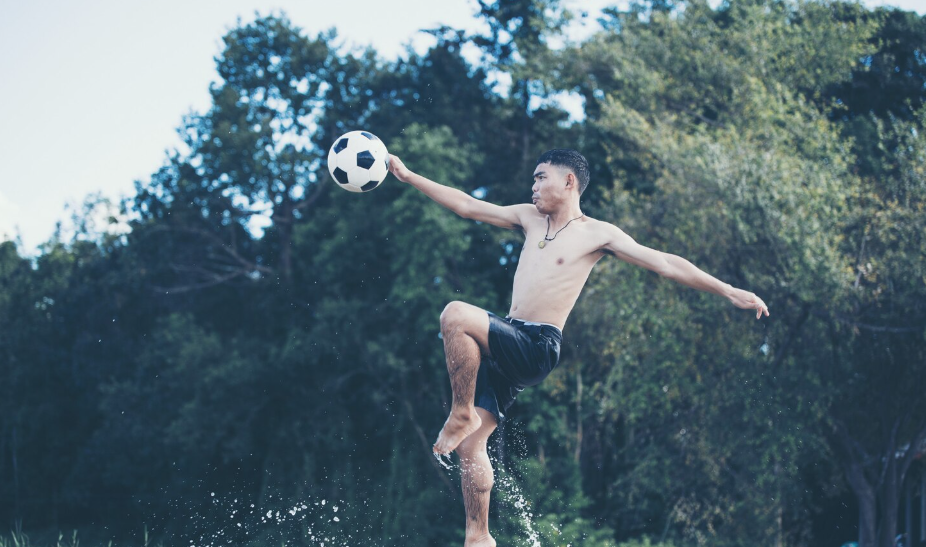
- Chinlone: This traditional ball game emphasizes coordination, controlled touches, and teamwork. Myanmar collected numerous gold medals when chinlone featured prominently at the 2013 Games.
- Wushu: Myanmar athletes have earned medals in this Chinese martial arts discipline. Taolu routines and sanda combat require different technical abilities.
- Sepak takraw: The country’s players compete in a demanding sport involving acrobatic kicks and precise ball control. Myanmar has enjoyed regional success, particularly in women’s events.
- Vovinam: Myanmar secured medals in this Vietnamese martial art during the 2013 competition, demonstrating its ability to adapt to additional combat disciplines.
These results show how technical training and established sporting communities support international performances. However, the SEA Games program changes between editions, affecting which traditional disciplines offer medal opportunities.
Football and Combat Sports: Two Important Parts of Myanmar’s Sporting Identity
Football attracts widespread public attention in Myanmar, while combat sports maintain strong cultural connections. Both have produced memorable regional performances, although their competitive histories differ considerably. Fans interested in these competitions can also follow matches and explore sports betting through the Melbet app. Sports betting allows supporters to compare odds, study team performances, and make predictions based on previous results. Their importance becomes clearer when examining individual achievements and the development of domestic sporting traditions.
Football’s Historic Success and Continuing Popularity
Myanmar’s greatest SEA Games football achievements came when the country competed as Burma. Five consecutive men’s titles from 1965 through 1973 demonstrated exceptional regional consistency. That generation competed successfully against established Southeast Asian opponents, including Thailand and Malaysia. These victories remain among the most significant accomplishments in the country’s football history.
Modern SEA Games football presents different challenges because the men’s tournament uses age restrictions. Myanmar reached the men’s final in 2015, eventually losing 3–0 to Thailand. The result nevertheless represented an important achievement for the country’s younger players. Domestic clubs and youth development programs remain essential for preparing future national representatives.
Martial Arts and Myanmar’s Strong Fighting Culture
Lethwei is also of particular cultural significance within Myanmar. It has been a part of Myanmar’s sports heritage for many years; fighters typically fight by way of punches, kicks, elbows, knees, and headbutts. Despite its history and popularity in Myanmar, it is not a typical medal discipline at the SEA Games. The majority of the relevance of Lethwei to Myanmar stems from its broader combat-sport legacy as opposed to its success in achieving medals at the SEA Games.
The other martial arts that have allowed for greater opportunity for athletes to achieve success through winning medals include: wushu, taekwondo, boxing, and vovinam. There are numerous differences amongst these forms in terms of their specific requirements, and thus there is significant variation in the amount of time required for an athlete to prepare for each competition. While experience in fighting disciplines provides some commonalities, international success requires a high level of training that is specifically sport-related.
What Myanmar Needs to Maintain Its SEA Games Traditions
Myanmar has an athletic heritage that is rich with football success, a long history of martial arts achievement, and success at SEA Games in traditional sports. The future performance of these athletes will depend on their development as well as consistent training and competition leading up to each regional tournament. To be able to develop its athletes. It may be beneficial for Myanmar to have athletes who are adaptable to changing formats or programs associated with the SEA Games, which will be especially important for events that are not held often.
