
Real-Time Funding Channels Preserving Visual Flow and Player Momentum in Modern Apps
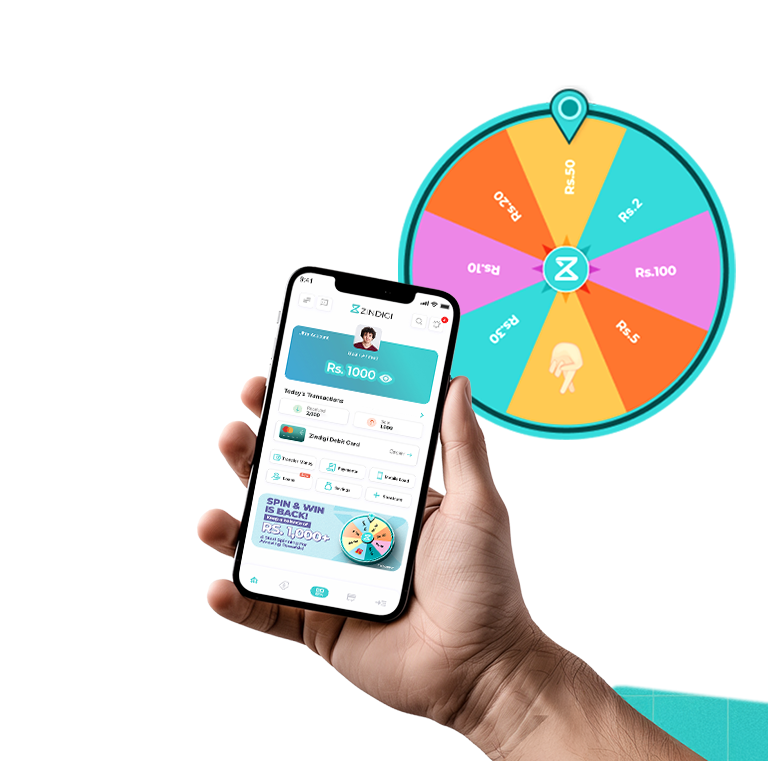
The international market for interactive digital entertainment relies entirely on continuous, fluid experiences. Telemetry metrics gathered across global platforms indicate that transaction efficiency dictating how fast money moves shapes player satisfaction more than complex graphic suites. Industry reports highlight that apps featuring instant balance updates see a 50% jump in continuous user activity. When a platform introduces a long, multi-minute verification delay during a deposit step, users quickly grow tired and close the application.
Technical Rails Eliminating Transaction Loading Lag
The smooth addition of points or tokens to a digital game profile depends on direct database communication. In older application setups, adding money required a slow three-step card authorization journey that traveled across multiple middle-man processors.
Today, advanced apps link straight to instant money pipelines through secure application program interfaces, or APIs. When a user confirms a deposit on their phone, the request does not sit in an office queue. Instead, high-speed software scripts send an encrypted data packet to the payment gateway. The system validates the request, checks the security keys, and drops the new balance into the player’s profile in less than two seconds. This rapid process ensures that the active application screen never has to freeze or display a spinning wheel icon.
Performance Metrics of Funding Speed Options
To observe why real-time data rails give application platforms like Spin & Win a massive edge, we can examine operational performance statistics. The table below outlines how various payment methods alter interface delay times and change player exit habits.
| Payment Transfer Channel | Core Network Protocol | Average System Lag | Application Abandonment | Primary Visual Interface State |
| Traditional Card Form | Manual Multi-Field Forms | 8 – 15 Seconds | 38% Exit Rate | Freezes screen with loading bars |
| Standard Web Wallet | External Window Redirects | 5 – 7 Seconds | 22% Exit Rate | Forces users to leave the main app |
| Instant Open Banking | Direct Bank API Tracks | 1 – 2 Seconds | 3% Exit Rate | Keeps the main game loop active |
| Unified Token Network | Decentralized Ledger Links | 5 – 12 Seconds | 14% Exit Rate | Displays a quick processing badge |
Deposit Pipeline Speed and Flow Simulator
The time required to process an in-app deposit directly alters whether a user stays focused on their game tasks. Adjust the network priority settings and security checking methods below to watch how instant data tracks clear up interface bottlenecks.
Prime Mechanical Features Keeping Players Engaged
Designing an excellent payment portal for mobile devices requires developers to focus on the small moments that make an app feel premium. A few clever interface adjustments help users top up their balances without breaking their mental rhythm.
Embedded Overlapping Sheet Menus
Older apps frequently broke immersion by forcing players out of the action to load a separate web page. Modern minimalist designs solve this issue by using embedded slide-up sheets that sit right on top of the active match.
The main environment remains visible but slightly blurred in the background. Once the user completes their quick tap, the sheet slides away instantly, and the user jumps straight back into their session without waiting for a total app reload.
Dynamic Balance Level Alerts
A major frustration for interactive platform fans is running out of tokens or match resources right in the middle of a critical team challenge. Smart user interfaces tackle this by introducing quiet, low-impact boundary alerts. When a player’s account drops below a certain limit, a tiny badge glows in the corner of the screen. Tapping that badge opens a mini-menu with pre-set reload values, allowing the player to secure a fresh balance chunk in two taps.
Critical Infrastructure Tools Safeguarding Digital Assets
Moving funds into a live game profile at high speeds requires advanced background guardrails to stop fraud before it occurs. A collection of lightweight background scripts handles this security tasks continuously.
- Encrypted Webhook Validations: This script verifies every incoming transfer alert to make sure financial signals come from a real bank rather than an untrusted source.
- Asynchronous Profile Syncing: This tool updates the visual balance number on the player’s device screen immediately while handling deep database saves over separate, low-impact threads.
- Tokenized Data Redirection: This protocol replaces sensitive account numbers with single-use digital tokens, ensuring private banking info never stays saved on app company servers.
Technical Challenges Hindering Live Payment Connections
Building a flawless, high-speed transaction hub forces engineering teams to overcome serious performance bottlenecks across diverse global phone models.
Eliminating Shaky Mobile Connection Errors
Handheld device users regularly pass through rural areas or concrete tunnels that weaken their cellular signals. If a player triggers a deposit right as their phone enters a dead zone, the transaction can hang in limbo.
To prevent this issue from locking up the interface, engineers build offline-resilient data scripts. The local app caches a secure transaction token right on the phone’s flash storage. The instant the cell antenna grabs a fresh tower signal, the script clears the transfer in the background without forcing the user to repeat the step.
Managing Palm Touch Registration Failures
Modern smartphones feature beautiful displays that stretch completely from side to side without thick plastic bezels. While these screens look amazing, they often register accidental palm contact when a gamer grips their phone tightly during a high-stakes match.
To prevent these stray touches from launching the payment menu by accident or canceling an active deposit request, developers build precise dead zones along the outer edges of the screen, ensuring the code only responds to intentional thumb taps.
